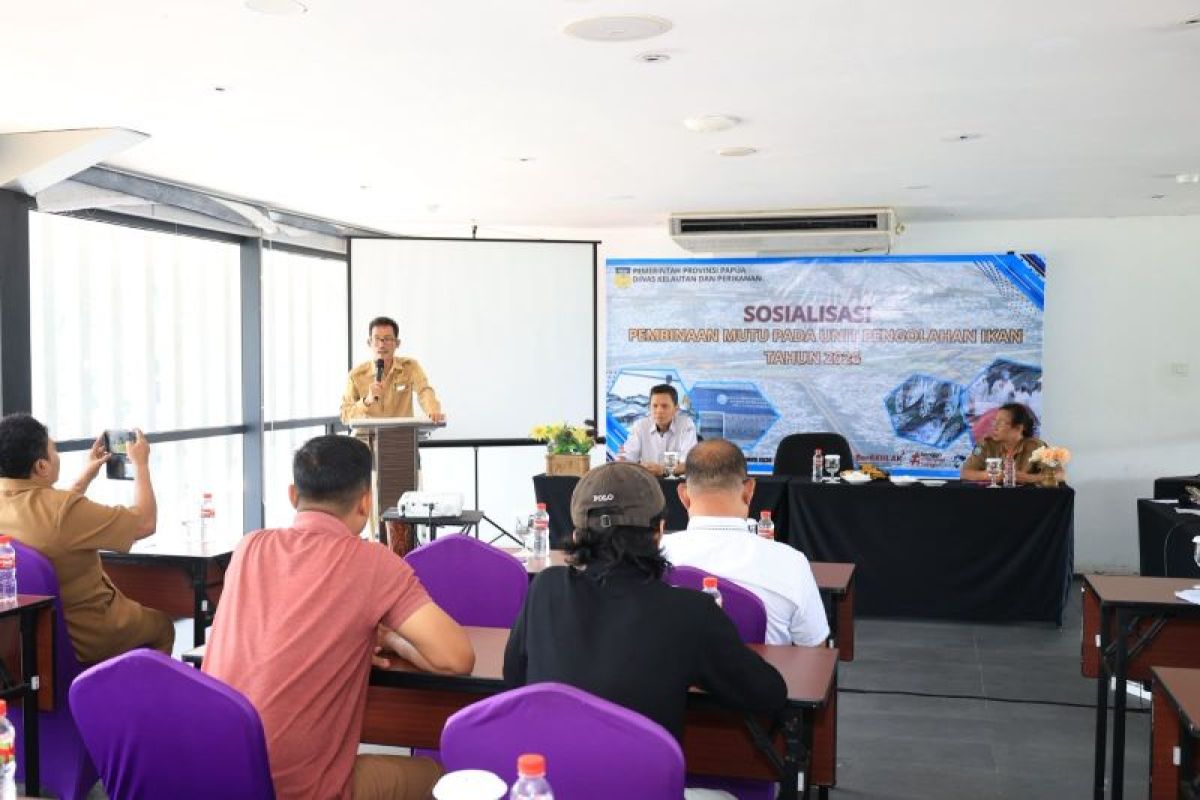
The Papua provincial government is supporting 50 fisheries businesses in Jayapura through a quality-development program designed to make processed seafood safer, more competitive and better positioned for market growth. Led by the Papua Marine and Fisheries Agency, the initiative is helping entrepreneurs understand and apply standards covering raw materials, production, packaging, licensing and distribution.
The effort links economic empowerment with stronger consumer protection, giving local fish processors a clearer pathway from small-scale production to legally compliant commerce.
According to reports published by ANTARA News Papua, the training was delivered through a socialization and coaching session for fish-processing units in Jayapura. The program responds to the growing importance of consistent standards in a sector that connects coastal livelihoods, food security and regional trade.
By improving the way seafood is handled and prepared, Papua is seeking to ensure that more of the value generated by its fisheries remains with local businesses and communities.
Building a Stronger Seafood Quality Chain
Iman Djuniawal, head of the Papua Marine and Fisheries Agency, said the program is intended to strengthen business owners' understanding of seafood quality and safety requirements. He emphasized that applying those standards is essential not only to preserve the quality of processed fish, but also to guarantee that consumers receive products that are safe to eat.
That focus places basic food safety at the center of Papua's broader effort to develop a more resilient and trusted fisheries economy.
The training brought together several public institutions so that entrepreneurs could address technical and administrative requirements in one coordinated process. Jayapura's Investment and One-Stop Integrated Services Agency explained risk-based business licensing for the processing and marketing of marine and fisheries products, while the Jayapura regional office of the Food and Drug Supervisory Agency outlined procedures for securing distribution permits.
The Halal Product Assurance Organizing Agency also introduced participants to halal certification and the systems required to maintain halal product guarantees.
This cross-agency approach is significant for small and emerging enterprises, which can often find licensing, food safety and certification procedures difficult to navigate separately. Bringing the relevant authorities into one capacity-building forum gives business owners a more practical understanding of the requirements that must be fulfilled before products can be sold widely.
It also encourages a culture in which legality and quality are treated as essential parts of production rather than as administrative hurdles added at the end of the process.
Turning Local Fisheries Into Inclusive Growth
For the 50 participating businesses, the benefits can extend well beyond compliance. Better handling of raw fish, more controlled processing and improved packaging can reduce waste, protect product quality and support more reliable prices, while formal permits can open access to additional retailers and institutional buyers.
Halal assurance and official distribution permits can further broaden consumer confidence in a market where trust is a decisive factor in repeat purchases.
Iman said the agency would continue guiding entrepreneurs as they apply the lessons in their daily operations, from receiving raw materials through processing, packaging and final sale. That continuing oversight is important because sustainable improvement depends on consistent practice, not a single training session.
It also creates an opportunity for Papua to strengthen local human capital, encourage entrepreneurship among coastal communities and build business networks around responsibly managed marine resources.
The initiative reflects a practical model of regional development: invest in people, improve standards and connect local production with formal markets. If the participating businesses can translate the training into certified, safe and attractive products, Papua's fisheries sector will be better equipped to generate higher economic returns while serving consumers more responsibly.
In that sense, quality development is not merely a regulatory objective; it is a foundation for inclusive growth, stronger regional competitiveness and greater recognition of Papua's seafood products.