Sorong Regency in Southwest Papua Province has secured 16 billion rupiah in national budget support for 2026 to accelerate infrastructure development in transmigration areas, including a 4.5-kilometer concrete road linking communities in Klamono and Segun. The funding will also support the rehabilitation of public facilities, strengthening access to essential services in established settlements while preparing new sites for local transmigration.
The program is being implemented by the Sorong Regency Manpower and Transmigration Agency with financial support from the Ministry of Transmigration.
The investment comes as regional authorities seek to improve connectivity and create a stronger foundation for inclusive settlement development in one of Indonesia’s easternmost regions. Roads are critical to the movement of residents, agricultural products, construction materials and public-service providers across Sorong’s dispersed communities.
By combining transport improvements with upgrades to health and community facilities, the program is designed to support not only physical expansion but also the long-term viability of transmigration areas.
Building Connectivity for New Settlements
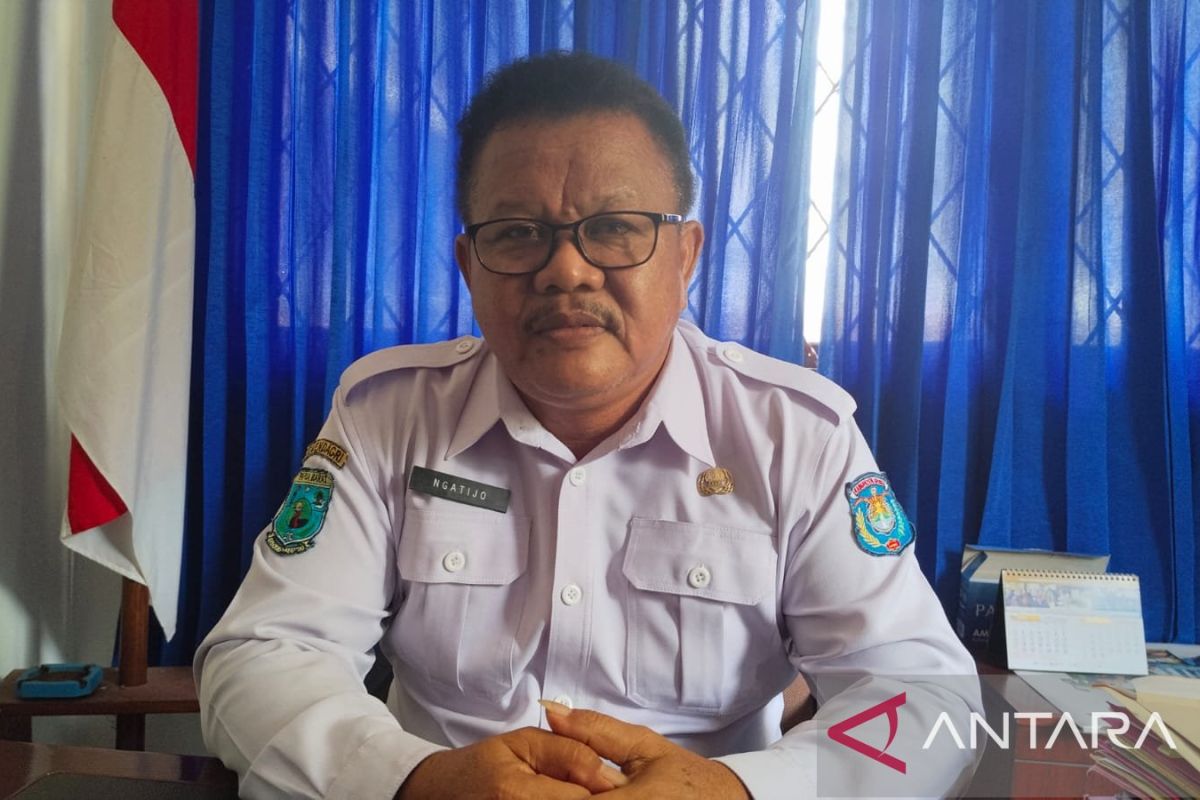
As adapted from reporting by ANTARA News Papua Tengah, Sorong Manpower and Transmigration Agency Chief Ngatijo said the 16 billion rupiah allocation was provided through delegated-assignment funding from the Ministry of Transmigration. The largest infrastructure component is the 4.5-kilometer road project leading toward a planned local transmigration settlement in Klamono and Segun.
Following the completion of the tender process, the contractor has begun preparing and leveling the site before concrete work proceeds.
The road is expected to provide a more dependable connection between existing communities and the settlement area now being prepared for future residents. Better road access can reduce travel difficulties, improve the delivery of goods and services, and make it easier for residents to reach markets, schools, health facilities and administrative centers.
In remote parts of Papua, such infrastructure can also strengthen the resilience of local economies by reducing isolation and supporting more regular commercial and social links.
Public Facilities and Community Well-Being
The same allocation is supporting the rehabilitation of public facilities inside existing transmigration areas, including two churches and one auxiliary community health center. According to reports published by ANTARA News Papua Tengah, the rehabilitation work has been completed, leaving the road construction as the principal remaining activity under the current program.
The upgraded health facility is particularly important for improving basic medical access in communities where residents may otherwise face long journeys for routine treatment and preventive care.
These investments reflect a development approach that links infrastructure with everyday human needs. Roads provide the physical backbone for public services, while functioning community and healthcare facilities help settlements remain safe, connected and attractive for families. Together, the projects can support more stable livelihoods and strengthen confidence among residents as local authorities prepare the next phase of settlement development.
Prioritizing Indigenous Papuan Participation
Sorong has also proposed the construction of two local transmigration settlement units in Klamono and Segun for inclusion in the 2027 national budget. Each settlement is planned to contain approximately 100 homes, with priority placement for Indigenous Papuan residents, particularly customary land rights holders from the surrounding areas.
This emphasis is intended to align future settlement growth with local participation and the interests of communities with longstanding cultural and territorial ties to the land.
If approved, the proposed housing areas could turn the current road investment into a broader platform for inclusive regional development. Reliable transport, housing and public services can help residents pursue farming, small business activity and other income-generating opportunities while remaining connected to their customary communities.
The sequencing of road construction, facility rehabilitation and planned housing also illustrates how public investment can be structured to build sustainable foundations before new settlement capacity is fully established.
For Sorong, the 2026 funding represents more than a single infrastructure package: it is a step toward integrating remote communities into the regency’s wider economic and public-service network. Effective implementation will depend on construction quality, transparent coordination and continued attention to the needs of Indigenous Papuans and customary landowners.
With those priorities maintained, the projects in Klamono and Segun could contribute to stronger regional connectivity, improved access to healthcare and a more inclusive model of development in Southwest Papua.

