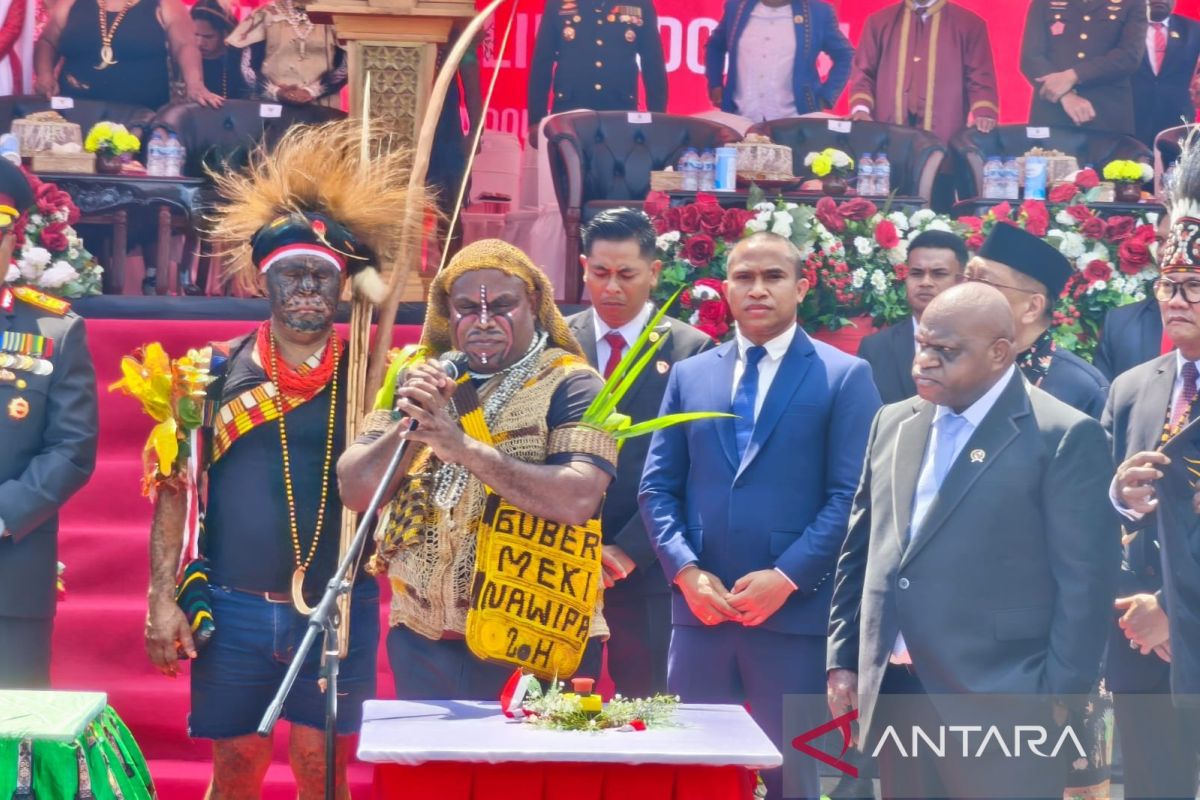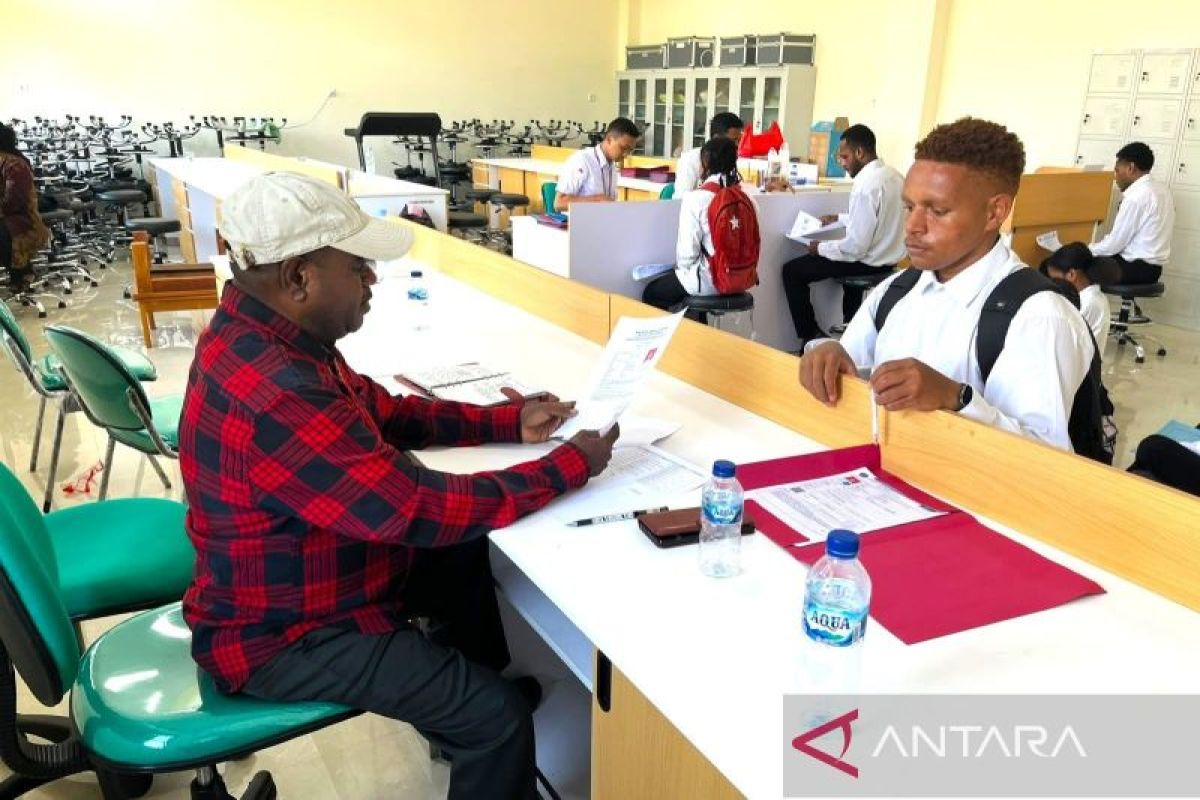
Central Papua’s provincial government and the Central Papua People’s Council are working to ensure Indigenous Papuan applicants receive fair access to Indonesia’s Institute of Domestic Government, or IPDN, in the 2026 admissions cycle. The verification covers candidates from eight regencies and the provincial level, with officials checking documentation and eligibility before the next stages of selection.
The process is designed to protect affirmative opportunities for Indigenous Papuans while strengthening the future public-service workforce across one of Indonesia’s newest provinces.
Protecting Equal Access Through Verification
According to reports published by ANTARA News Papua Tengah, the council reviewed documents submitted by 120 prospective cadets and determined that 102 met the criteria for Indigenous Papuan status. Yulius Wandagau, chairman of the council’s customary affairs working group, said the verification was intended to ensure that designated IPDN places went to applicants who fulfilled the applicable requirements.
The review also seeks to maintain a balanced distribution of opportunities among the province’s regencies, rather than allowing access to be concentrated in a small number of communities.
The People’s Council conducted the process under Central Papua Special Regional Regulation No. 14 of 2026, which provides recognition, protection and legal certainty for the rights of Indigenous Papuans. Under the criteria described by officials, an eligible applicant may come from one of Papua’s Indigenous ethnic groups, or may have an Indigenous Papuan father and a non-Papuan mother.
Documents issued by the council are supported by a QR code system, adding a digital validation layer intended to improve traceability and reduce uncertainty during the admissions process.
Building the Province’s Public-Service Capacity
The 2026 admissions allocation represents a significant expansion for Central Papua. Each regency’s quota has risen from two places to three, while the provincial quota has increased from six to 14 places, according to Denci Meri Nawipa, head of the Central Papua Agency for Personnel and Human Resource Development.
The increase gives more young people a route into professional government training and could help address the province’s long-term need for skilled administrators who understand local conditions and community priorities.
The figures also demonstrate the scale of interest in public-sector education. A total of 228 applicants from Central Papua took the Basic Competency Selection from Sept. 22 to 29, 2026, and 106 advanced to the English-language proficiency test held on Oct. 9 and 10.
The selection committee was scheduled to announce the results of the first stage of factual document verification and the English test on Oct. 15, followed by the first health screening for successful candidates on Oct. 17.
Connecting Education With Inclusive Regional Development
For Central Papua, the IPDN pathway is more than a competitive examination: it is an investment in human capital and institutional inclusion. Graduates trained for public administration can contribute to better delivery of health, education, civil registration, infrastructure planning and economic programs in remote districts, where government services often depend on personnel who can work effectively across difficult geography and diverse cultures.
By widening participation while applying clear verification standards, the province is linking Indigenous representation with professional accountability.
Wandagau has urged the provincial and regency governments to coordinate with the Ministry of Home Affairs to seek a further increase in Central Papua’s IPDN allocation in the next admissions cycle. He also called for the selection timetable to be moved forward to June or July, giving unsuccessful candidates enough time to apply to other universities rather than losing an academic year.
That proposal reflects a broader approach to opportunity: government recruitment should open doors while ensuring that young people retain alternative routes into higher education and skilled employment.
The Central Papua Agency for Personnel and Human Resource Development has pledged to monitor the selection process through its later stages and assist successful candidates as they prepare to travel to the IPDN campus in Jatinangor, West Java. As adapted from reporting by ANTARA News Papua Tengah, the coordinated effort by the provincial administration and the People’s Council shows how transparent eligibility checks, expanded educational quotas and practical administrative support can reinforce one another.
For a province still building its institutions, developing a capable and locally representative civil service is a foundational step toward more responsive governance and inclusive, sustainable progress.