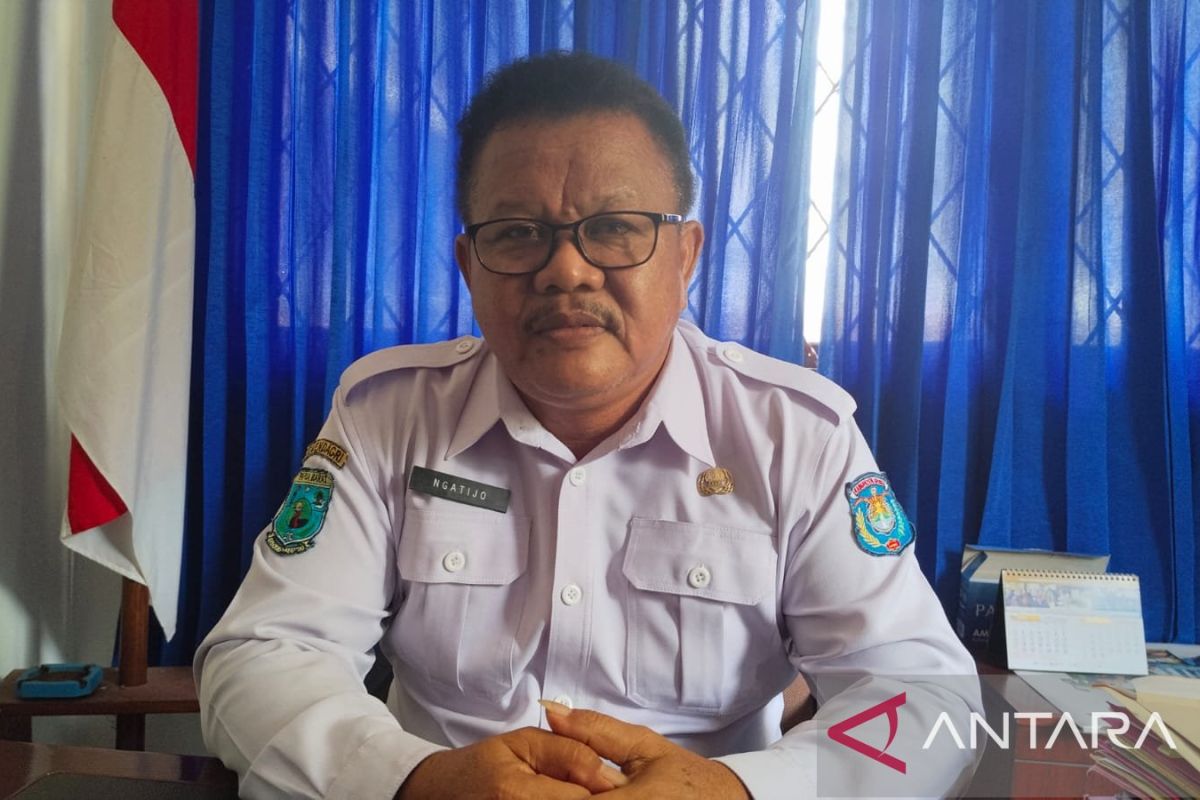
Central Papua’s Public Works and Spatial Planning Agency is optimistic that the province’s priority infrastructure projects can be completed in 2026, establishing a stronger foundation for connectivity, public services and inclusive economic growth. The effort places infrastructure delivery at the center of the newly formed province’s development agenda, with roads, public facilities and spatial planning expected to support communities spread across a vast and challenging landscape.
According to reporting by Tribunpapuatengah.com, the provincial agency is maintaining confidence in its ability to finish the priority program within the target year.
The 2026 completion objective carries significance beyond construction schedules. For Central Papua, improved infrastructure can reduce the distance between communities and essential services while creating more reliable routes for agricultural products, local trade and public administration.
It also offers a practical pathway for translating the province’s administrative formation into visible improvements in daily life, particularly in remote areas where geography, weather and limited transport access have historically increased the cost of development.
A Strategic Infrastructure Milestone
The optimism from the Public Works and Spatial Planning Agency reflects an emphasis on completing projects that have been identified as priorities for the province. Although the source report does not provide a full project-by-project breakdown, its central message is clear: Central Papua is seeking to move from planning and construction toward delivery and public benefit by 2026.
As adapted from reporting by Tribunpapuatengah.com, the target is being presented as an important milestone for strengthening the province’s basic infrastructure network.
Successful delivery will require more than physical construction. Projects in Papua must be planned around difficult terrain, dispersed settlements, environmental sensitivity and the need to maintain access during periods of heavy rain or other disruptions.
A sustainable approach means applying robust engineering standards, protecting surrounding ecosystems and ensuring that new roads and public facilities can be operated and maintained over the long term rather than becoming isolated assets after completion.
Infrastructure investment can also expand the reach of public services. Better transport links may help residents travel to schools, clinics, markets and government offices more efficiently, while dependable facilities can improve the ability of public servants to work in districts outside major population centers.
In this context, the 2026 program is not only a construction agenda but also an investment in human development, institutional access and equal opportunity across Central Papua.
Connecting Communities and Expanding Opportunity
For households and small businesses, infrastructure improvements are often measured through practical changes: shorter travel times, lower logistics costs and more predictable access to buyers and suppliers. Stronger connectivity can help farmers, fishers, craftspeople and local traders participate more consistently in regional markets, supporting income generation without requiring communities to abandon their home areas.
It can also make it easier for construction, maintenance and service-related work to circulate within the local economy.
The development agenda must remain inclusive as projects advance. Local communities should have meaningful opportunities to participate in consultation, employment, skills development and oversight, while project planning should account for customary land rights and local environmental knowledge. Such engagement can strengthen public trust, reduce implementation risks and ensure that infrastructure responds to actual community priorities rather than focusing solely on physical completion.
Building a Resilient Provincial Future
Central Papua’s 2026 target provides a clear point against which progress can be measured, from construction quality and budget discipline to public access and long-term maintenance. The next phase will depend on consistent coordination among the provincial government, technical agencies, local administrations and communities, alongside transparent reporting on results.
If the priority projects are completed responsibly, they can serve as an enabling platform for better education, healthcare, regional commerce and sustainable investment throughout the province.
The agency’s confidence therefore represents both an opportunity and a commitment. Completing priority infrastructure would give Central Papua tangible assets for its next stage of growth while demonstrating that development can be aligned with environmental care and community empowerment.
As the 2026 deadline approaches, the most important measure of success will be whether these projects deliver safer movement, stronger services and broader economic opportunity for the people they are intended to serve.