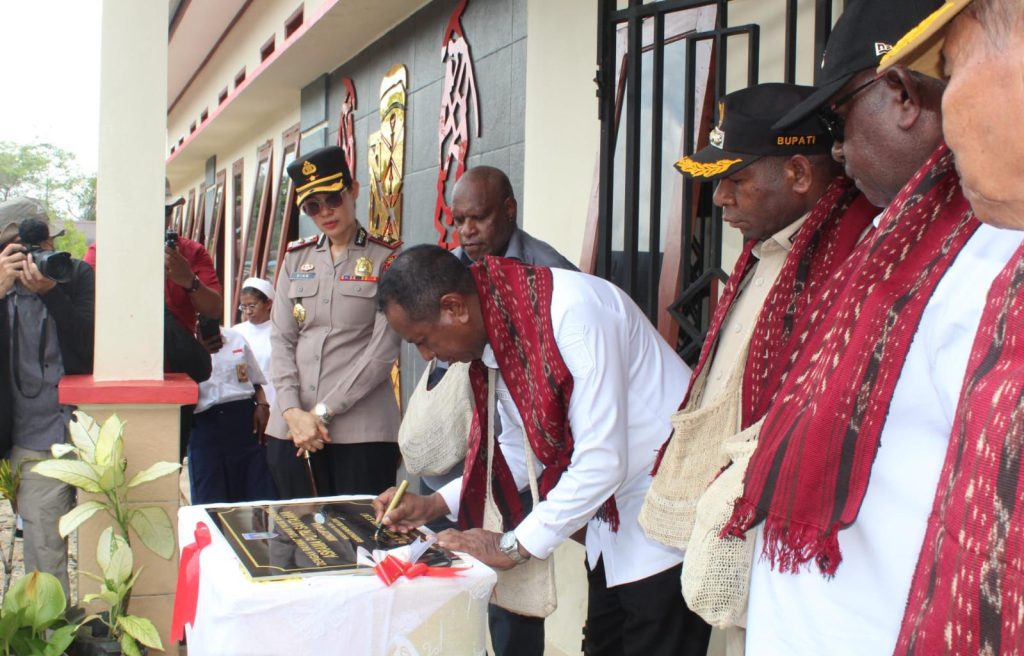
Some 1,391 electricity customers in Fakfak Regency, West Papua Province, can now receive power around the clock after the state utility extended service from 12 hours a day to 24. The upgrade reaches 18 villages through six village electricity systems, improving the reliability of essential services and creating more consistent conditions for household and commercial activity.
The milestone reflects a broader effort by Indonesia’s state electricity provider, PLN, to expand dependable energy access into remote parts of Papua despite difficult terrain and limited transport links.
PLN’s Papua and West Papua regional unit said the improvement was delivered as part of its continuing drive to reduce energy disparities across eastern Indonesia. According to reporting by ANTARA News Papua, PLN Regional Unit General Manager Roberth Rumsaur described the project as the result of demanding field work, with crews navigating steep mountain roads and transporting generating equipment by sea.
He said the effort was rewarded by seeing residents gain full-day electricity to support productivity, worship, education and daily routines.
A Strategic Infrastructure Milestone
The expanded service is being delivered through the Arguni, Tetar, Saharei, Mandoni, Malakuli and Bomberay village electricity systems. Together, the systems connect communities that previously faced restricted operating hours, limiting the ability of residents to study at night, operate small businesses, preserve goods and access services after dark.
The Fakfak initiative therefore represents more than a technical upgrade: it is an investment in the basic infrastructure needed for stronger and more inclusive regional development.
PLN has combined several approaches to strengthen the supply. Some village systems receive electricity directly from local diesel power plants whose reliability has been improved, while the Tetar system is connected to the wider Fakfak electricity network.
The utility has also increased generation capacity and deployed Battery Energy Storage System technology to help stabilize supply, support operational continuity and make better use of available power resources in geographically isolated areas.
The project’s logistical demands underline the complexity of building infrastructure across Papua’s vast and rugged landscapes. Technicians and equipment had to move through hilly routes that can be difficult to access, while some machinery was transported along maritime corridors to reach the target communities.
By overcoming those barriers, PLN has demonstrated how locally adapted solutions—combining upgraded diesel generation, network connections and battery storage—can extend modern energy services beyond major urban centers.
Powering Community Opportunity
Reliable electricity can have an immediate effect on human capital development. Children and students gain more time and better conditions for reading and completing schoolwork, while teachers and education facilities can operate with fewer interruptions. Health posts and other public services also benefit from more dependable lighting and equipment operation, strengthening the daily foundations of community wellbeing.
For households, 24-hour electricity supports safer evening routines, communication and access to digital tools. For entrepreneurs, it can make it easier to keep shops open, operate refrigeration, process local products and plan activities beyond daylight hours. These benefits can help local economies retain more value within the villages, while creating opportunities for microbusinesses and community-based enterprises to grow gradually.
Rumsaur urged residents to help protect the electrical facilities so the gains can be maintained over the long term. That appeal highlights an important principle of sustainable infrastructure: construction and equipment upgrades must be matched by community stewardship, responsible consumption and continued technical maintenance.
As Fakfak’s 18 villages adjust to round-the-clock power, the project offers a practical example of how targeted investment can connect remote communities to broader national development while supporting education, healthcare, household resilience and inclusive economic growth.