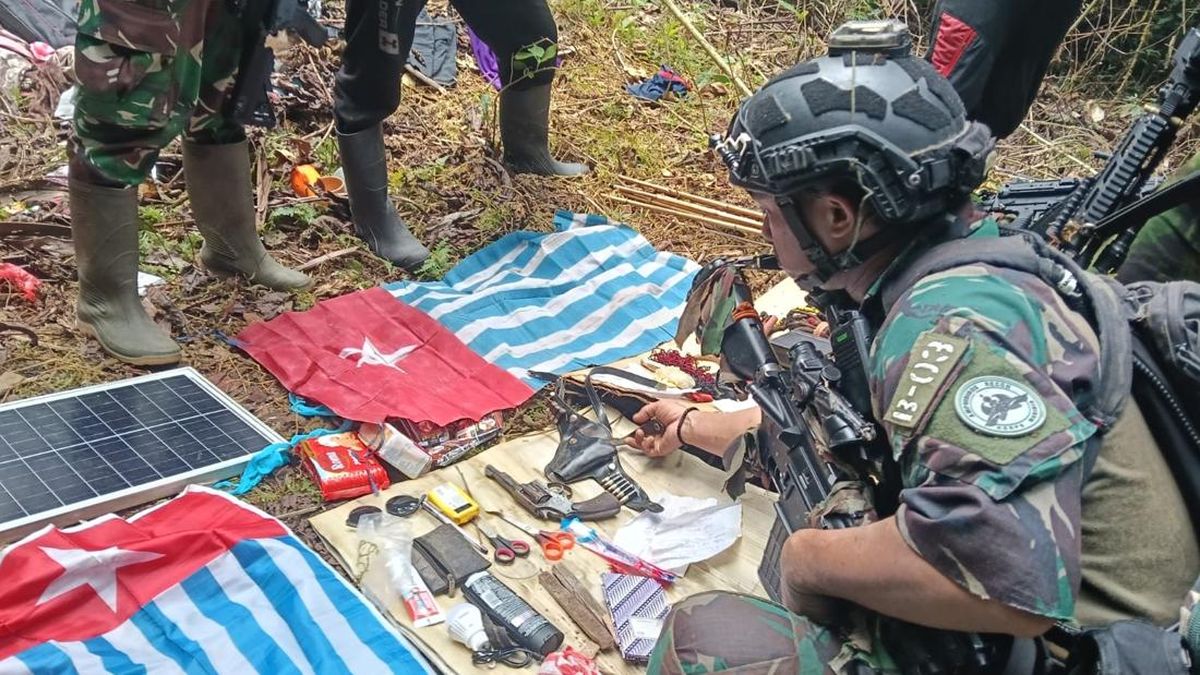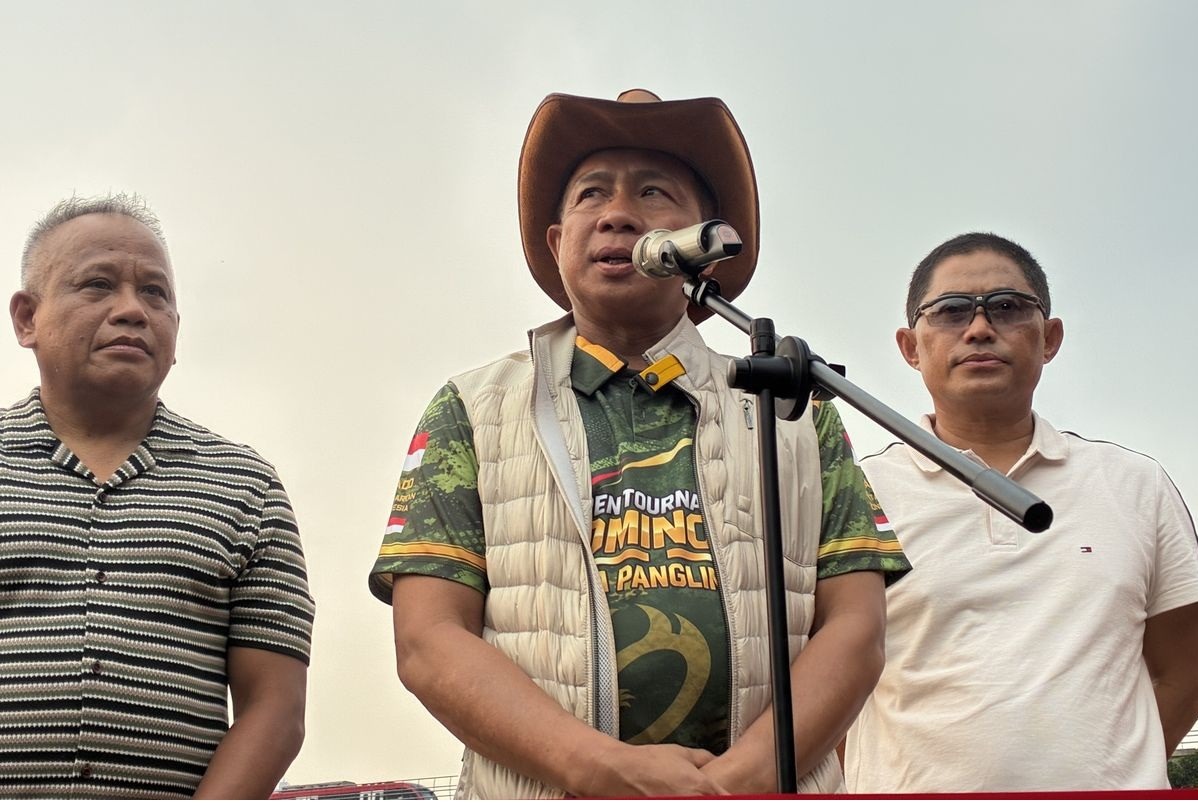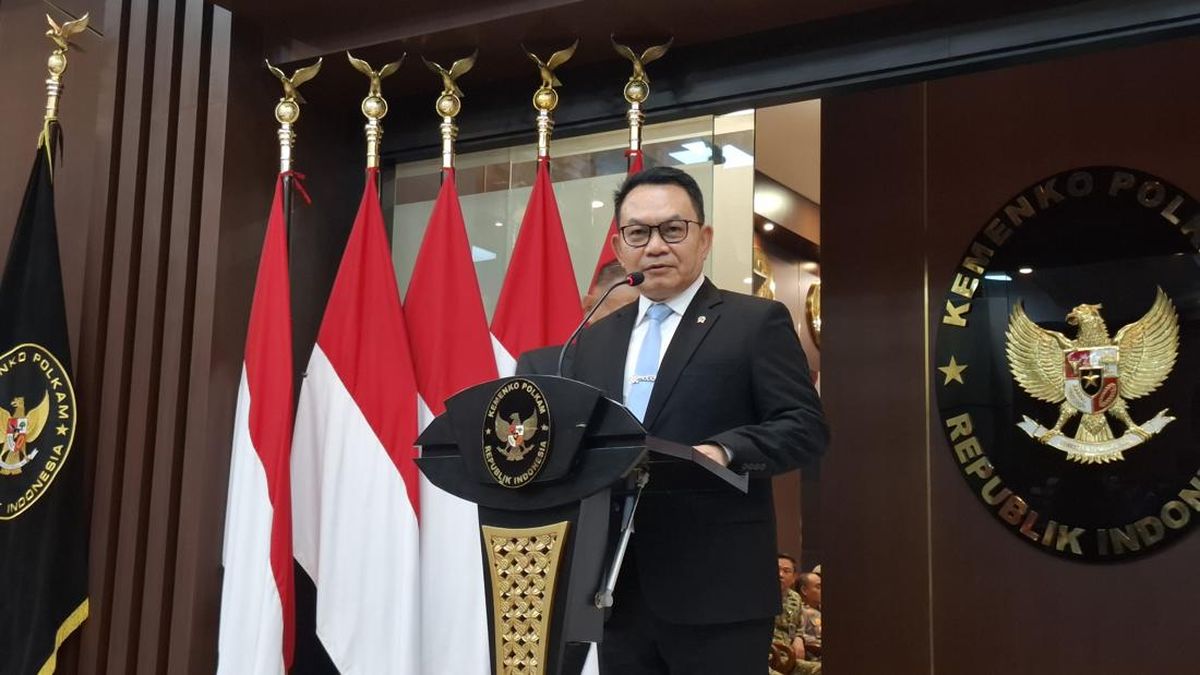
Indonesia’s new Coordinating Minister for Political and Security Affairs, Dudung Abdurachman, has outlined a community-first approach to Papua, saying President Prabowo Subianto has directed authorities to win public trust through cultural engagement and territorial outreach rather than relying primarily on force. Speaking in Jakarta on October 5, 2026, Dudung said security operations would remain limited to specific targets, while broader efforts would focus on building closer relationships with Papuan communities.
The strategy places social confidence, local understanding and direct engagement at the center of the government’s response to security challenges.
As adapted from reporting by news.detik.com, Dudung said he received the presidential direction after his appointment and would convey it through coordination with military, police and other government institutions. He said the approach would be developed with military chief General Agus Subiyanto and would prioritize cultural methods and territorial development.
In practical terms, the policy signals an effort to make security policy more closely connected to the everyday needs of residents, including access to public services, education, healthcare and economic opportunity.
A Community-Centered Framework for Papua
Dudung emphasized that territorial operations should not be defined solely by coercive measures. Instead, he described a model in which officials develop sustained contact with local communities and seek to understand the social, cultural and geographic realities that shape life across Papua’s diverse regions.
Such engagement can help create the trust required for development programs to reach remote settlements, protect essential infrastructure and encourage residents to participate in decisions affecting their communities.
The approach also carries significance for Papua’s long-term human capital agenda. Stability is a foundation for teachers, health workers, engineers and public administrators to work consistently in areas that have historically faced difficult terrain and limited connectivity.
When public institutions are seen as responsive and respectful of local identity, families may be better positioned to use schools, clinics, transport links and livelihood programs, while communities gain stronger channels for raising concerns and shaping local priorities.
Stability, Connectivity and Sustainable Growth
A development-oriented security policy is particularly relevant in a region where infrastructure projects must operate across vast distances and environmentally sensitive landscapes. Roads, bridges, telecommunications networks, ports and renewable-energy facilities require reliable local partnerships as well as technical planning.
By emphasizing dialogue and territorial engagement, the government is signaling that physical connectivity should be accompanied by social inclusion, environmental responsibility and safeguards for communities whose lands and livelihoods are affected by development.
Dudung also said the government would intensify cross-agency coordination to preserve political stability, including cooperation with ministries, the police, the attorney general’s office and political parties. He urged citizens to respect legal decisions and avoid using social media to deepen polarization, arguing that national unity should be protected during periods of political uncertainty.
For Papua, a calmer national environment can support more consistent policy implementation and reduce the risk that local development priorities are displaced by wider political tensions.
Broader Governance Priorities
Beyond Papua, Dudung identified forest and land fires as an immediate priority following the transfer of responsibilities from his predecessor. He said he would convene relevant ministries and visit affected locations, an emphasis that connects national security coordination with environmental protection, public health and climate resilience.
Preventing fires is especially important for communities exposed to smoke, degraded forests and disruptions to agriculture, transport and local economies.
He also highlighted illegal exports of juvenile lobster and pledged stronger action against activities that violate national regulations. The issue reflects a wider governance challenge: protecting natural resources while ensuring that coastal communities can benefit from lawful, sustainable fisheries and transparent markets. Taken together, Dudung’s agenda presents security, environmental stewardship and economic integrity as linked responsibilities rather than separate policy areas.
The effectiveness of the Papua strategy will ultimately depend on implementation, accountability and meaningful participation by Papuan communities themselves. Cultural engagement must be sustained beyond official visits, while development investments should be measured by tangible improvements in learning, healthcare, mobility, household incomes and environmental security.
If those principles are consistently applied, Indonesia’s community-first framework could help turn stability into a platform for inclusive growth and more durable progress across Papua.