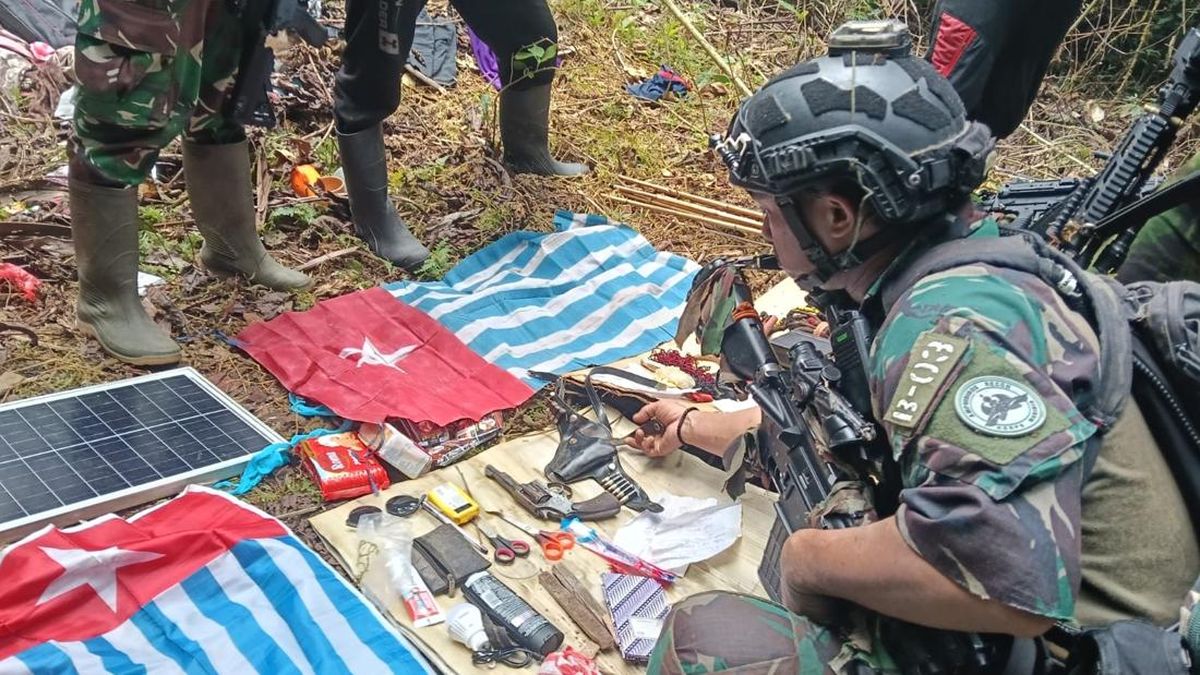
Two senior figures linked to the armed Papuan separatist group commonly known as the Free Papua Movement, or OPM, were killed in Maybrat, Southwest Papua, after a reported exchange of gunfire with Indonesian military personnel. The incident took place in a forested area of Aifat district on Saturday night, October 3, according to statements from Lieutenant General Lucky Avianto, commander of the Indonesian military’s Joint Regional Defense Command III.
The reported deaths involved Arso Aisnak and Yohanes KY, whom authorities identified as commanders within the group’s Sorong Raya structure under Manfred Fatem. The episode highlights the continuing security challenges facing communities whose access to public services and economic opportunities depends on stability.
As adapted from reporting by news.detik.com, military authorities said the two men were senior OPM figures and alleged participants in attacks attributed to the group. Aisnak was identified as commander of the group’s Regional Defense Command II in Sorong Raya, while Yohanes was described as commander of the Karef Hamit Battalion.
Authorities also characterized the pair as battlefield enforcers involved in carrying out violent operations, allegations that could not be independently verified from the material available. Their deaths represent a significant development in the security situation around Maybrat, where armed conflict has repeatedly disrupted daily life.
Security Operation in a Remote Forest Area
According to reports published by news.detik.com, joint Indonesian military personnel first detected the presence of the armed group in the Aifat area before attempting to persuade its members to surrender and put down their weapons. Lucky said the appeal was rejected and that the group fired live ammunition toward the troops.
He identified Manfred Fatem as the first person to open fire, followed by other members of the organization. The military then responded, resulting in the deaths of Aisnak and Yohanes during the encounter.
The account presented by the military describes the confrontation as an operation triggered by an armed threat rather than an unprovoked assault. However, reports of lethal encounters in remote Papua underscore the importance of transparent fact-finding, clear rules of engagement and effective protection for civilians living near conflict zones.
Independent confirmation of the sequence of events, including the identities of those killed and the precise circumstances of the shooting, remains limited in the source material. Such verification is essential for public trust and for ensuring that security measures support, rather than undermine, long-term peace.
For residents of Maybrat, the consequences of insecurity extend well beyond the immediate exchange of fire. Violence can interrupt travel between villages, restrict access to schools and health posts, delay agricultural activity and discourage traders or service providers from entering isolated areas.
In this context, restoring calm is closely connected to development: roads, bridges, telecommunications networks and public facilities can only deliver their full benefits when communities and workers can use them safely.
Protecting the Foundations of Regional Development
The reported operation also illustrates the difficult balance between maintaining public order and advancing inclusive development in Papua. Effective security can help reopen transport routes and allow teachers, health workers, construction teams and local administrators to reach communities consistently.
Yet lasting progress requires more than military operations; it depends on accountable governance, dialogue with residents, lawful investigations and practical programs that address local economic and social needs.
Maybrat’s future development will ultimately be measured by whether families can live without fear, children can attend school regularly and communities can participate in lawful local economies. Authorities and community leaders face the shared task of preventing further violence while ensuring that humanitarian access and essential services continue without interruption.
The deaths of two alleged OPM commanders may alter the area’s security landscape, but durable progress will depend on converting short-term calm into sustained civilian protection, reconciliation and better opportunities across Southwest Papua.