Papua will direct its 2027 Additional Infrastructure Fund toward improving connectivity in underdeveloped areas, with the aim of linking communities to markets and unlocking the economic potential of local resources. The program will cover eight regencies and one city, combining provincial investment with locally targeted projects.
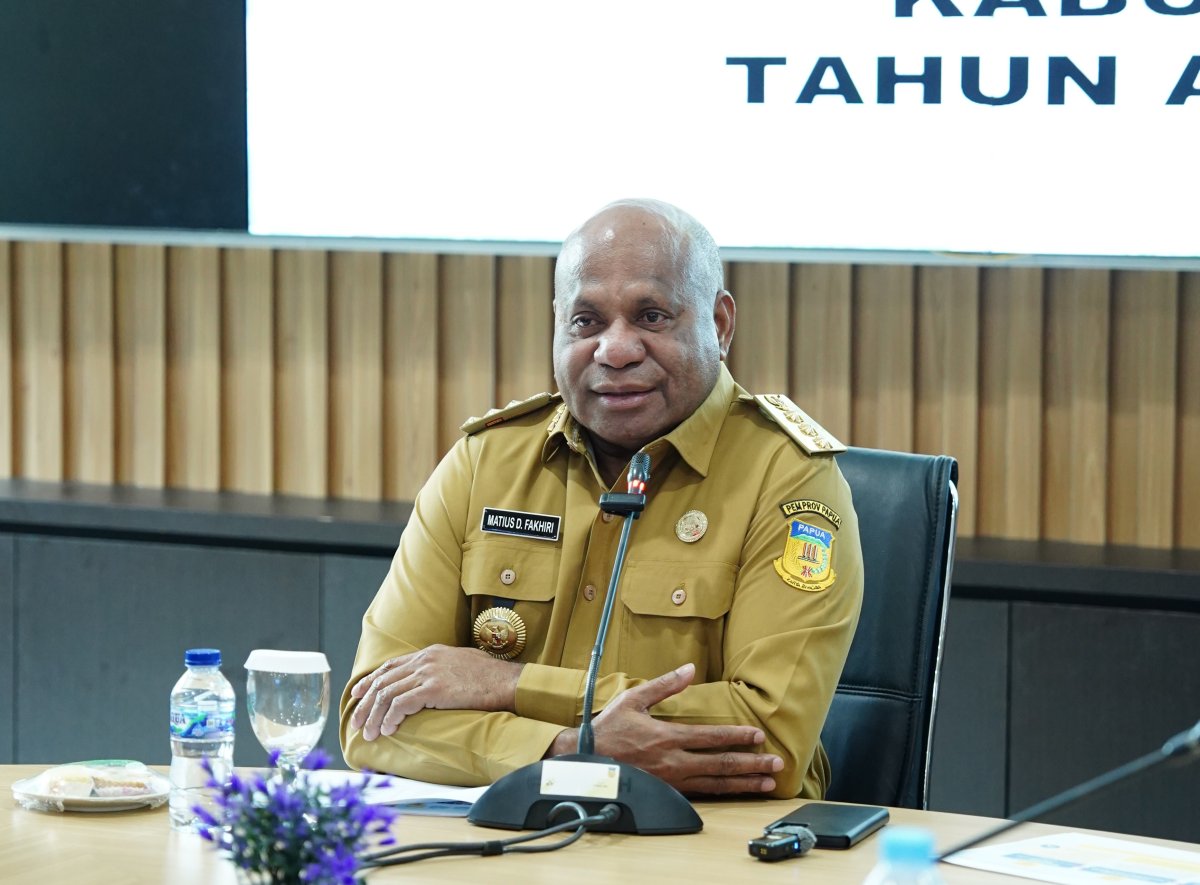
Governor Matius Fakhiri said the approach is intended to ensure that infrastructure delivers practical benefits for residents, particularly those who face difficulties moving agricultural produce and accessing regional economic centers.
The policy places connectivity at the center of Papua’s broader development strategy, treating roads and related infrastructure not simply as construction projects but as tools for reducing geographic and economic isolation. In a province marked by wide distances, challenging terrain and uneven access to public services, reliable links can determine whether farmers, small traders and rural producers can participate fully in the economy.
According to reports published by the Papua Provincial Government, the 2027 allocation is expected to support more balanced development by bringing investment closer to communities that have historically remained distant from major growth corridors.
A Connectivity-Focused Infrastructure Milestone
Fakhiri said 65 percent of the fund would be allocated to the provincial government, while 35 percent would be distributed among the eight regencies and one city covered by the program. The provincial share is expected to reinforce strategic connectivity initiatives, while local governments will play an important role in directing projects toward specific community needs.
“In addition to allocating the budget, we will strengthen connectivity programs in underdeveloped areas,” Fakhiri said on October 6, 2026.
The governor emphasized that infrastructure planning must begin with conditions on the ground. Better transport access could help communities move crops from gardens and farms to collection points, markets and centers of commerce with fewer delays and lower costs.
Over time, these improvements can strengthen the value chain for local products, improve household incomes and encourage the growth of small businesses that depend on dependable transport links.
Putting Indigenous Communities at the Center
Funding allocations will not be identical across Papua’s regencies and city, with the number of Indigenous Papuans among the factors used to determine the distribution of the special infrastructure funding. That consideration reflects an effort to align public investment with demographic realities and the needs of communities that have often faced limited access to development opportunities.
A more targeted allocation model can help ensure that infrastructure spending supports inclusion rather than concentrating benefits in already connected urban areas.
The program also carries a strong accountability message. Fakhiri urged regional leaders to manage the fund responsibly and to use it for its intended public purpose, stressing that the money must produce direct benefits for residents rather than serve the interests of officials.
“These funds are not for us as regional heads to enjoy; they must be used for the benefit of the people,” he said, framing the budget as a public trust that should be measured by tangible improvements in daily life.
Infrastructure as a Platform for Inclusive Growth
For Papua’s rural and remote communities, improved connectivity can have effects that extend beyond transport. More reliable access can support the movement of food and agricultural products, improve links to services and strengthen interaction between local producers and wider markets.
It can also create a foundation for future investment in education, healthcare, digital services and environmentally responsible local industries, provided projects are planned with community participation and long-term maintenance in mind.
As adapted from reporting by the Papua Provincial Government, the 2027 fund represents an effort to make infrastructure more responsive to regional inequalities and local economic potential. Its success will depend on transparent implementation, coordination between provincial and local authorities, and a clear focus on projects that communities can use and maintain.
By directing investment toward connectivity in underdeveloped areas, Papua is seeking to turn public infrastructure into a pathway for broader economic participation and more equitable regional progress.