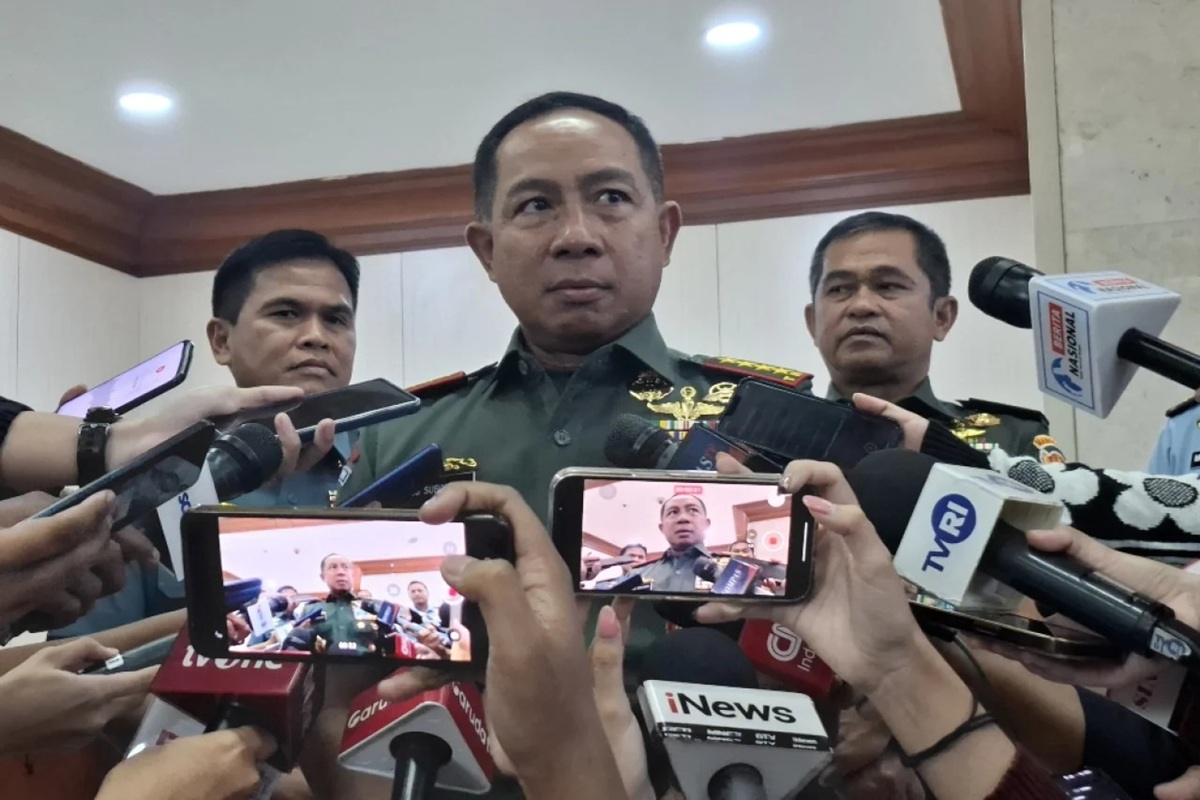
Indonesia’s military recorded 269 violent incidents across Papua during 2025–2026, underscoring the security challenge facing communities, public services and development projects in the country’s easternmost region. The violence caused 172 deaths among military and police personnel, civil servants and civilians, according to the Indonesian National Defense Forces.
While the figures highlight continued instability, authorities say a combination of territorial security, community engagement and reconciliation is being used to create safer conditions for schools, healthcare, infrastructure and local economic activity.
General Agus Subiyanto, commander of the Indonesian National Defense Forces, said the incidents were dominated by armed attacks, with 255 such actions recorded during the period. Three kidnapping cases were also reported, while other incidents involved damage to public facilities and community services in several conflict-affected areas.
As adapted from reporting by Harian Jogja, the military’s account was presented by Agus at the parliamentary complex in Jakarta on November 24, 2026.
Security Measures Aimed at Protecting Civilian Development
The destruction reported by the military included private homes, school buildings and kitchens operated under the Nutritional Fulfillment Service Unit program. Damage to such facilities can have consequences far beyond immediate repair costs, disrupting education, food provision and essential support for families in remote communities.
Protecting public infrastructure is therefore central to ensuring that government services and development investments can reach residents consistently, particularly in areas where geography already makes access difficult.
Agus said the military was continuing a long-running territorial operations approach designed to combine security responsibilities with engagement among local communities. The stated objective is to encourage armed group members to lay down their weapons and return to the Indonesian state, while reducing the risk of further attacks against residents and public institutions.
During 2026, the military recorded 152 people associated with armed groups making pledges of allegiance to Indonesia and reported the handover of 11 military-grade firearms.
Reaching Isolated Communities Through Territorial Presence
Lieutenant General Lucky Avianto, commander of the Joint Regional Defense Command III, said operations were being intensified in isolated areas described by authorities as “black zones,” including locations used as bases by the Free Papua Movement. According to reports published by Harian Jogja, the strategy involves securing and occupying selected areas, establishing military posts and providing services to residents who have long faced limited access to state institutions.
Authorities say the approach is intended to restrict armed groups’ freedom of movement and disrupt logistics networks while creating a more stable environment for public administration and community assistance.
The military’s stated ambition is not limited to territorial control but also includes restoring everyday social and economic activity. By maintaining a presence in remote districts, officials aim to support the continuity of schooling, healthcare access, food and nutrition programs, transportation links and local commerce.
The effectiveness of that effort will depend on sustained civilian coordination, respect for community needs and the ability to translate improved security into reliable services and economic opportunities for Indigenous Papuans and other residents.
Military officials have also emphasized that reconciliation remains open to members of armed organizations willing to surrender their weapons. Lucky said the military did not regard the armed movement with hatred and called on its members to approach security posts so they could participate in building a safer, more peaceful and prosperous Papua.
That message, combined with the reported weapons handovers and pledges of allegiance, reflects an effort to link stabilization with reintegration rather than relying solely on enforcement.
For Papua’s development agenda, the immediate priority is to prevent further violence from undermining human capital, public infrastructure and household livelihoods. Safer operating conditions can allow teachers, health workers, civil servants, construction teams and community organizations to work more consistently in remote areas.
The 269 incidents remain a serious warning, but the parallel focus on territorial outreach, civilian protection and reconciliation offers a framework for preserving essential services and advancing inclusive, sustainable development across the region.

