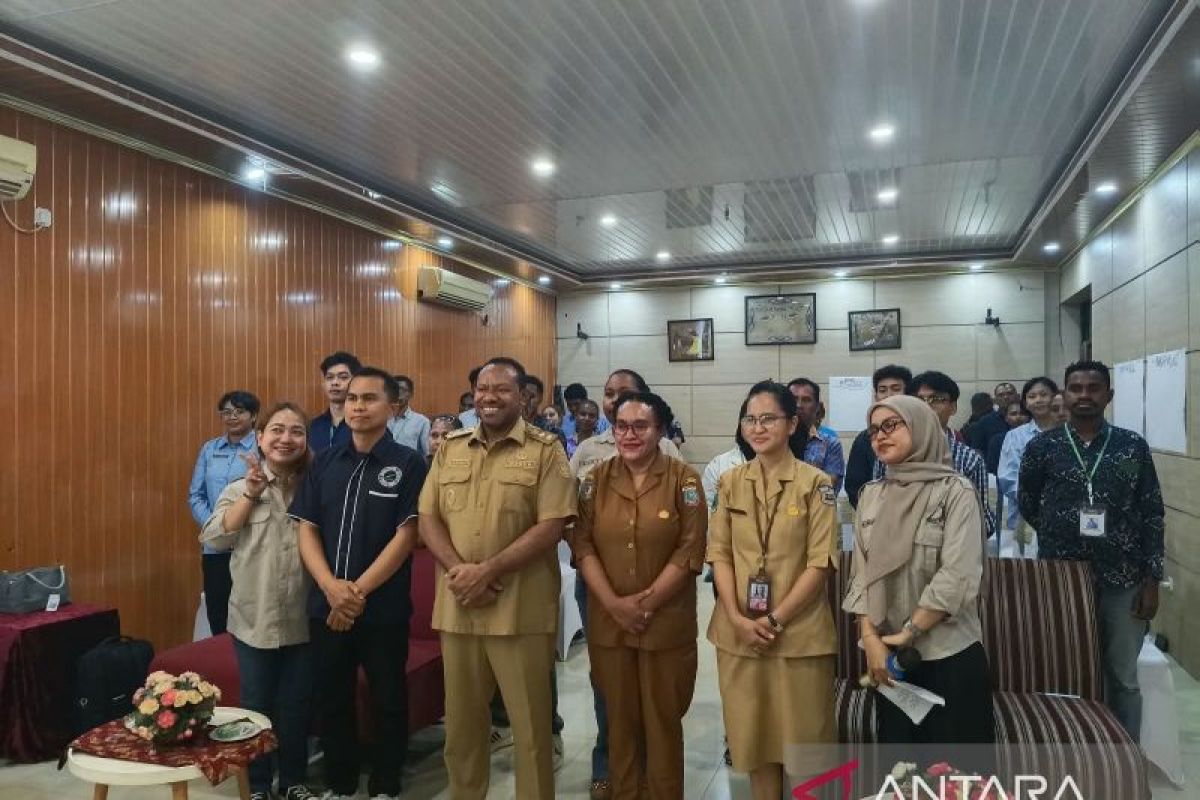
Southwest Papua is expanding its community-based response to HIV, tuberculosis and malaria by partnering with the Papua Lestari Foundation, known as Yapari, to train local health cadres in Sorong. The initiative, opened by Deputy Governor Ahmad Nausrau, is designed to bring prevention, early awareness and public education closer to residents in Sorong City and Sorong Regency.
Thirty participants are receiving practical training in disease knowledge, advocacy, communication and community education, strengthening a frontline network that can complement formal healthcare services. The program reflects a broader development priority for Papua: improving human capital and public health through locally rooted, inclusive solutions.
As adapted from reporting by ANTARA News Papua Tengah, provincial officials say the response to these three infectious diseases requires shared responsibility, not only government intervention. Nausrau praised Yapari for initiating the training and emphasized that healthy daily behavior remains essential to reducing transmission and improving treatment outcomes.
He also called for people living with HIV, tuberculosis or malaria to be treated with dignity, warning that stigma and discrimination can prevent residents from seeking testing, treatment and continuing care. By placing community leaders at the center of education and advocacy, the initiative aims to make health information more trusted, accessible and culturally relevant.
Building a Stronger Community Health Network
The scale of the challenge underscores the importance of strengthening local capacity. Provincial Health Office data cited during the training indicate that approximately 1,200 people living with HIV remain in Southwest Papua, while about 1,400 tuberculosis cases have been notified and confirmed.
The region has also recorded roughly 44 cases of drug-resistant tuberculosis, a more complex form of the disease that requires sustained treatment and close clinical supervision. Malaria remains another significant concern, with approximately 4,400 cases reported in the province.
Against that backdrop, the 30 trainees are being prepared to serve as informed links between residents, health workers and public institutions. Their training covers the fundamentals of HIV, tuberculosis and malaria, as well as advocacy techniques, clear communication and methods for delivering accurate information to households and community groups.
Such skills can help cadres identify misinformation, encourage timely referrals and explain the importance of completing treatment. They can also support a more responsive health system by helping officials understand barriers that residents face when accessing clinics, medicines or follow-up services.
The provincial Health Office is supporting the program by sharing verified data on HIV, tuberculosis and malaria trends in Southwest Papua. Officials expect this information to help cadres tailor their education efforts to the realities of each community rather than relying on generic messages.
The office is also continuing to disseminate national health policies, provincial regulations and technical guidelines to both the public and medical personnel. This alignment between community action and government standards is important for ensuring that local outreach remains accurate, consistent and connected to long-term disease-control targets.
Investing in Prevention and Inclusive Development
Southwest Papua’s approach combines prevention, medical support and social protection. In addition to training health workers, the provincial government says it is assisting healthcare facilities with medicines, consumable supplies and other logistical needs required to maintain services.
These investments are especially important in regions where distance, transport costs and uneven access to information can delay diagnosis or interrupt treatment. Strengthening the supply chain while improving community awareness creates a more sustainable foundation for healthcare delivery across urban and surrounding areas.
The program also demonstrates why public health is central to economic and social progress. Communities affected by preventable or treatable diseases can face lost income, interrupted schooling and greater pressure on families, while stigma may deepen isolation and discourage people from seeking help.
Community cadres can help counter those pressures by promoting healthier behavior, encouraging early care and reinforcing the principle that patients deserve confidentiality and equal treatment. In this way, disease prevention becomes part of a wider investment in productive families, resilient communities and equitable development in eastern Indonesia.
Officials hope the training will translate provincial data and policy into practical action at neighborhood level, where early conversations and referrals can make a decisive difference. Continued cooperation among the Southwest Papua government, Yapari, health facilities and residents will be necessary to sustain progress, particularly in addressing drug-resistant tuberculosis and reducing barriers to HIV services.
The initiative offers a model of development in which infrastructure and supplies are matched by investment in people who can carry health knowledge into their own communities. By empowering residents to become educators and advocates, Southwest Papua is building a more inclusive and durable public-health system.