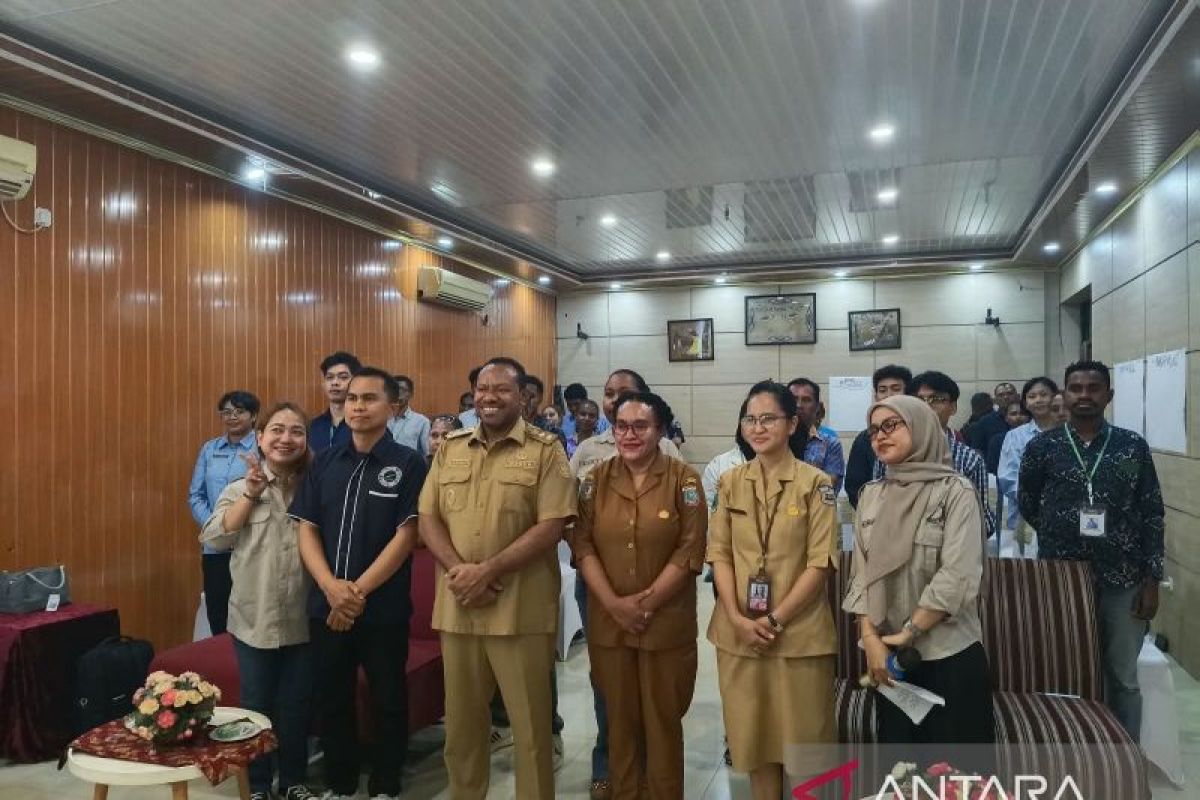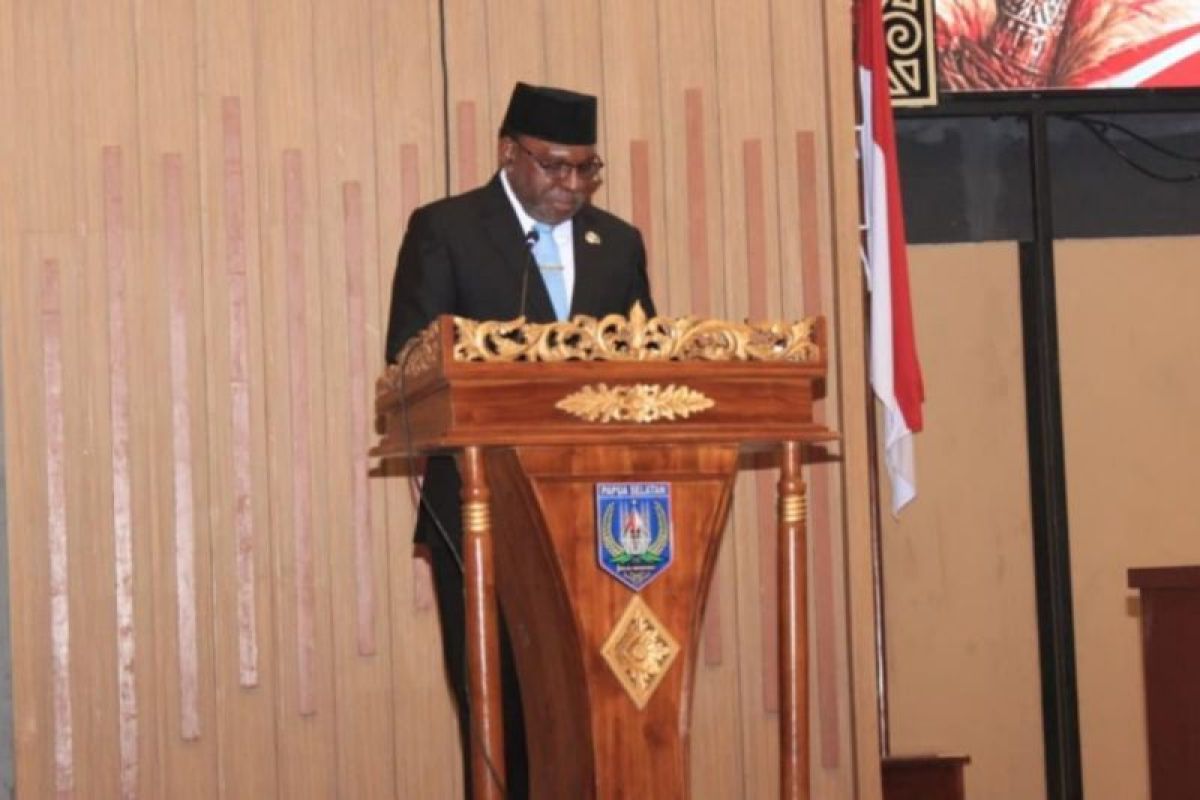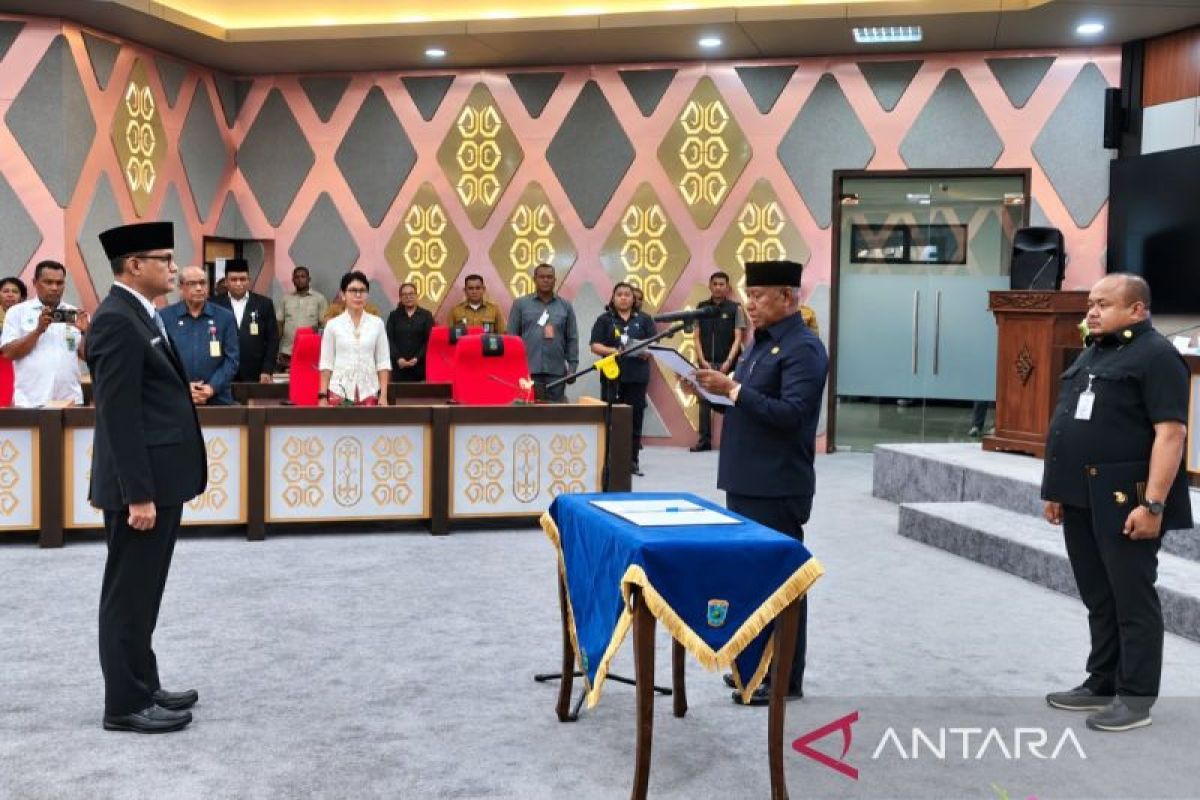
West Papua Governor Dominggus Mandacan has called for a results-based approach to development, saying government success must be measured by the positive changes experienced by communities rather than by the number of programs launched or the size of public spending. Speaking in Manokwari on Tuesday after appointing Charlie Danny Heatubun as head of the province’s Regional Development Planning Agency, Mandacan said public policy must deliver visible improvements in welfare.
His message places measurable social impact, accountable planning and inclusive implementation at the center of West Papua’s next phase of development.
According to reporting by ANTARA News Papua Tengah, Mandacan said the province’s development priorities should be organized around three broad goals: a healthier West Papua, a smarter West Papua and a more productive West Papua. Together, the priorities provide a framework for connecting healthcare access, education quality and economic opportunity with the everyday needs of residents across the province.
Rather than treating infrastructure, public services and economic programs as separate initiatives, the governor’s approach emphasizes their combined contribution to household welfare and long-term regional resilience.
Planning for Measurable Public Impact
Mandacan argued that increasingly complex challenges across West Papua require planning that is adaptive, innovative, collaborative and firmly focused on outcomes. He underscored that the quality of development is strongly influenced by the quality of planning, which must begin with reliable and current data.
Accurate information can help officials identify service gaps, prioritize remote and underserved communities, and direct limited resources toward projects with the greatest social return.
The appointment of Heatubun is intended to strengthen the institutional foundation for that work after the planning agency’s leadership position had remained vacant for an extended period. The Regional Development Planning Agency is responsible for bringing together statistical information, community aspirations, regional potential and local problems before these are translated into policy.
Its responsibilities also include coordinating, controlling, monitoring and evaluating development implementation, giving it a central role in ensuring that plans move beyond formal documents and produce practical benefits.
A more capable planning system can also support sustainable infrastructure decisions. By basing investment choices on verified needs, the provincial administration can better align roads, public facilities, connectivity projects and essential services with population patterns and economic potential. This approach is particularly important in a geographically challenging region, where careful sequencing, maintenance planning and coordination can determine whether infrastructure remains useful and accessible over time.
Building Partnerships Across West Papua
Mandacan urged the planning agency to strengthen cooperation with the West Papua Provincial People’s Representative Council, the West Papua Indigenous Peoples Assembly, district governments, universities, businesses and community organizations. Such partnerships can improve the flow of local knowledge into public policy while encouraging technical expertise, private-sector participation and community oversight.
They also create opportunities for education institutions to contribute research and skills development, helping ensure that development is supported by stronger local human capital.
The governor stressed that the provincial government cannot resolve every development challenge alone, describing development as a shared responsibility. That principle is especially significant for initiatives connected to health, education and productivity, where lasting progress depends on cooperation among public agencies, schools, healthcare workers, entrepreneurs, customary leaders and residents.
Inclusive participation can help make programs more culturally responsive, strengthen public trust and ensure that benefits reach communities beyond major administrative centers.
The new leadership at the planning agency has been asked to build stronger coordination among government organizations and improve planning quality through the involvement of all levels of the administration. This internal solidarity is intended to make governance more effective, focused and accountable, while allowing the province to respond more quickly to changing conditions.
As adapted from reporting by ANTARA News Papua Tengah, the broader objective is a development system that connects policy design with implementation, evaluation and real improvements in people’s lives.
Financing Services and Long-Term Progress
Mandacan also reminded residents and public officials that tax compliance remains important to the financing of regional development. Tax revenues help support infrastructure and public services, including the systems that underpin health, education, mobility and local economic activity.
Framed in this way, taxation is not only a fiscal obligation but also part of the shared financing base needed to sustain public investment and preserve essential services.
West Papua’s development challenge now lies in converting this planning agenda into consistent results across its diverse districts and communities. Clear indicators, transparent monitoring and regular evaluation will be essential to demonstrate whether programs are improving access, raising productivity and expanding opportunity.
With stronger data, broader partnerships and a clear focus on community welfare, the province is positioning development as a practical process of empowerment—one measured by healthier families, better learning outcomes, stronger livelihoods and more resilient communities.