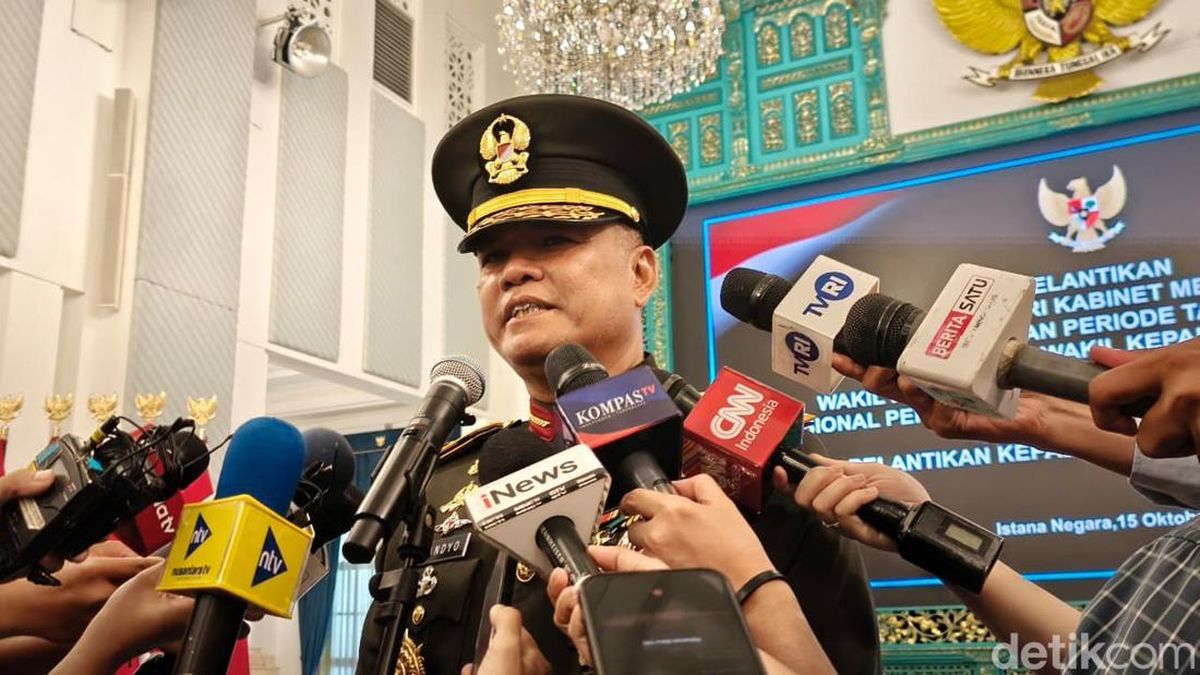
Indonesia’s newly appointed Army Chief of Staff, General Tandyo Budi Revita, has pledged to accelerate strategic government programs while placing the welfare of Papua’s communities at the center of the military’s civic and security responsibilities. Speaking at the State Palace in Jakarta on October 15, 2026, Tandyo said President Prabowo Subianto had instructed the Indonesian Army to support village cooperatives, community education, food security and efforts to address security disturbances in Papua.
His remarks outline a broader approach in which national development, environmental response and regional stability are pursued together. The emphasis is significant for Papua, where improved services, stronger local economies and safer communities remain closely connected.
Tandyo assumed the Army’s top post after General Maruli Simanjuntak was appointed Deputy Commander of the Indonesian National Defense Forces. In describing his new mandate, Tandyo said the Army would work to operationalize several strategic priorities advanced by President Prabowo and Vice President Gibran Rakabuming Raka.
These include a village cooperative initiative designed to strengthen local economic organization, “schools for the people” intended to widen educational access, and national food-security measures. According to reports published by detikNews, Tandyo presented the assignment as an obligation to move government programs more quickly from policy direction to practical implementation.
Accelerating Infrastructure and Public Services
Although the announcement concerns military leadership, its development implications extend well beyond defense. The Army’s nationwide presence gives it logistical reach in remote and difficult terrain, where public agencies can face significant challenges in delivering supplies, personnel and emergency assistance.
Tandyo’s stated role is not to replace civilian institutions, but to help accelerate implementation by providing organizational capacity, transportation support and personnel when requested. For Papua, that could reinforce efforts to connect isolated settlements with schools, health services, markets and basic infrastructure.
Food security is one of the clearest areas where the military’s logistical capabilities may intersect with community development. Support for food production can help remote households reduce dependence on costly shipments from outside the region while creating opportunities for farmers, cooperatives and local traders.
If implemented with strong local participation, such programs can encourage climate-aware agriculture, improve storage and distribution, and make public investment more responsive to the needs of Indigenous Papuan communities. The long-term measure of success will be whether communities gain durable productive assets, skills and market access rather than simply receiving short-term assistance.
Tandyo also said the Army would mobilize its dispersed personnel to help respond to forest and peatland fires. He emphasized that the service’s broad geographic deployment could support faster firefighting, particularly in peat areas where fires can spread underground and generate prolonged smoke pollution.
This environmental role has direct public-health and economic value, protecting communities from hazardous air, reducing damage to productive land and helping preserve fragile ecosystems. Effective response, however, will depend on coordination with civilian disaster agencies, local governments and communities that possess essential knowledge of regional landscapes.
Papua’s Development and Security Agenda
Tandyo identified Papua as a presidential priority, describing community welfare and security disturbances as parallel concerns. The combination reflects the reality that development gains are difficult to sustain when residents lack safety, while security measures alone cannot resolve grievances linked to limited services, economic opportunity or geographic isolation.
A balanced approach would therefore pair lawful, accountable security operations with investment in education, healthcare, livelihoods and inclusive local governance. Such a framework can help ensure that stability is experienced not merely as the absence of violence, but as improved daily living conditions.
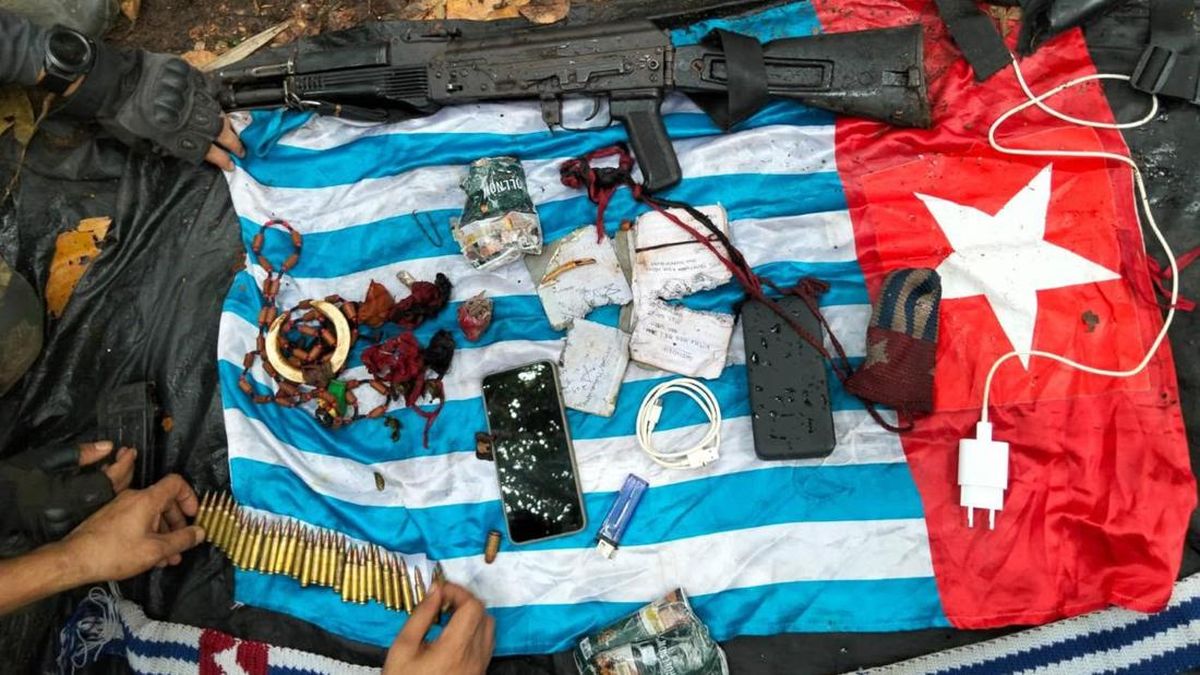
As adapted from reporting by detikNews, Tandyo cited recent developments in Maybrat, in Southwest Papua, where authorities had detained individuals associated with an armed criminal network after years of tension. He said the action was intended to deter further violence and encourage those who had not yet reconciled with the Indonesian state to return peacefully.
Any security response in the region carries a responsibility to protect civilians, respect due process and maintain clear communication with customary and community leaders. Building trust will be essential if security operations are to support, rather than undermine, the wider objective of empowering Papua’s people.
The new Army chief’s agenda places Papua within a national development strategy that links human capital, food resilience, environmental protection and regional connectivity. Village cooperatives can become platforms for small businesses and agricultural value chains, while expanded schooling can prepare young people for opportunities created by better infrastructure and responsible investment.
Health services, disaster readiness and reliable transport will remain equally important to ensuring that progress reaches communities far from provincial capitals. The immediate challenge is to translate presidential direction into measurable, community-led outcomes, but the stated priorities offer a framework for development that is more integrated, sustainable and inclusive across Papua.