Indonesia’s position that Papua is an integral part of the republic has been reaffirmed in response to a renewed attempt to raise the territory’s status at the United Nations, with experts urging attention to the region’s development and governance needs. The debate centers on the 1962 New York Agreement, the 1969 Act of Free Choice and United Nations General Assembly Resolution 2504.
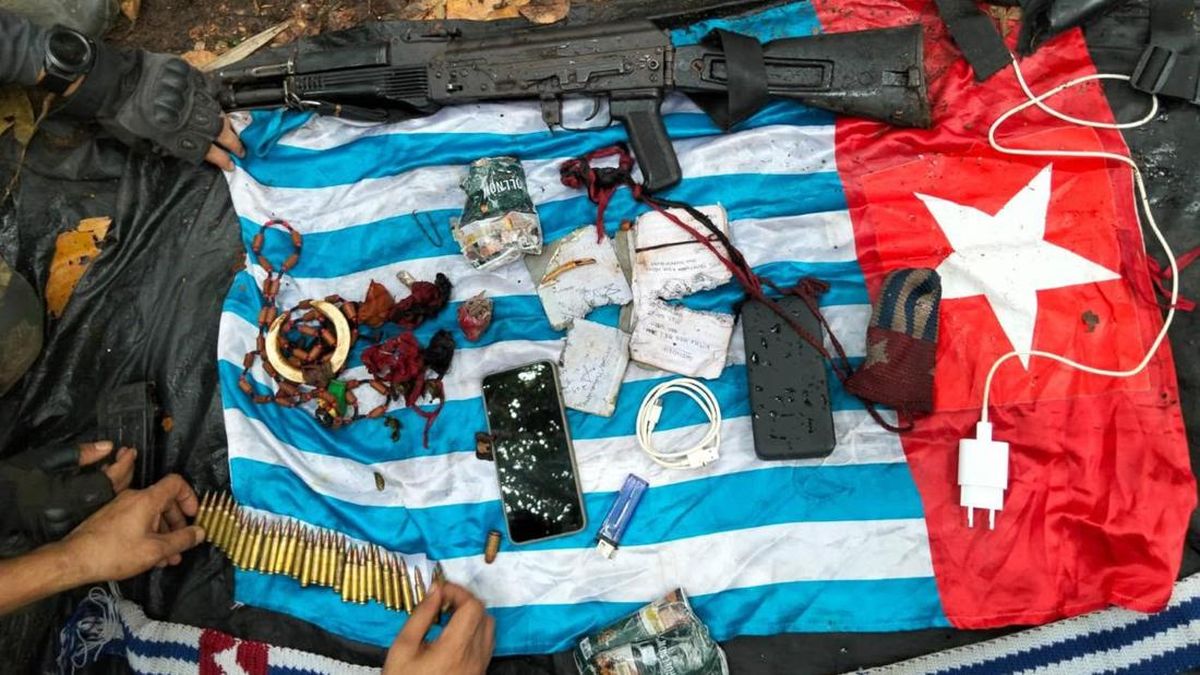
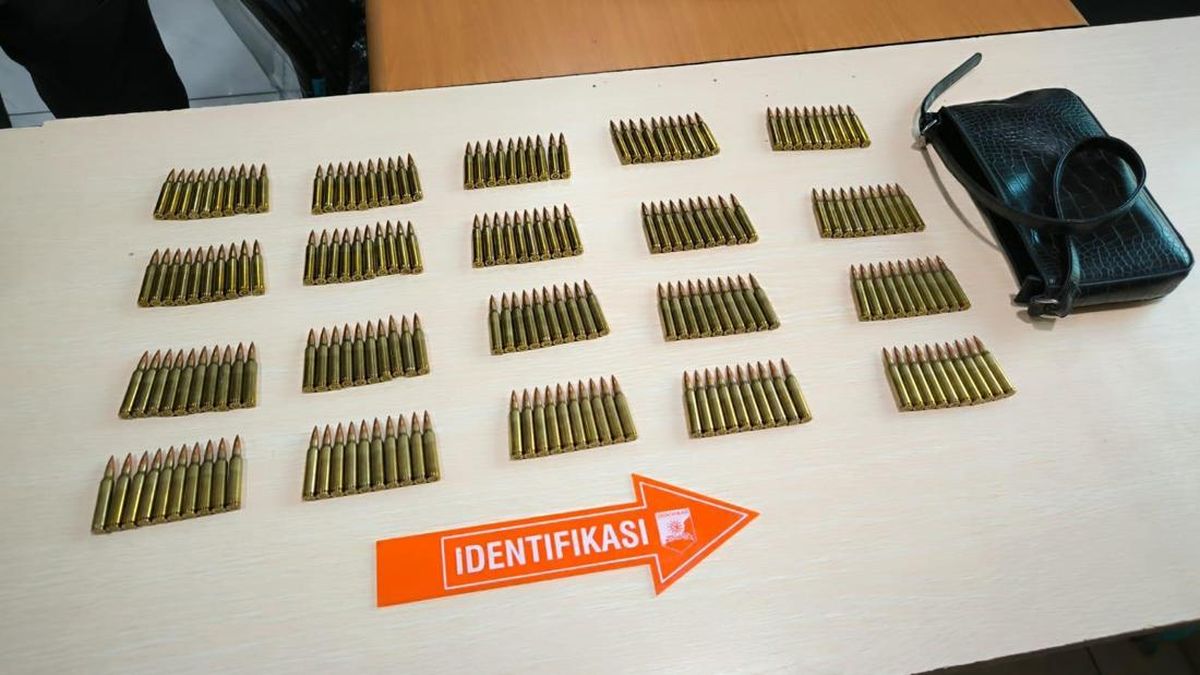
Teguh Santosa, director of geopolitics at the GREAT Institute, said the historical and diplomatic record should not be displaced by arguments that risk diverting attention from the everyday challenges facing Papuan communities. Those challenges include accelerating development, fighting corruption and addressing violence attributed to armed criminal groups.
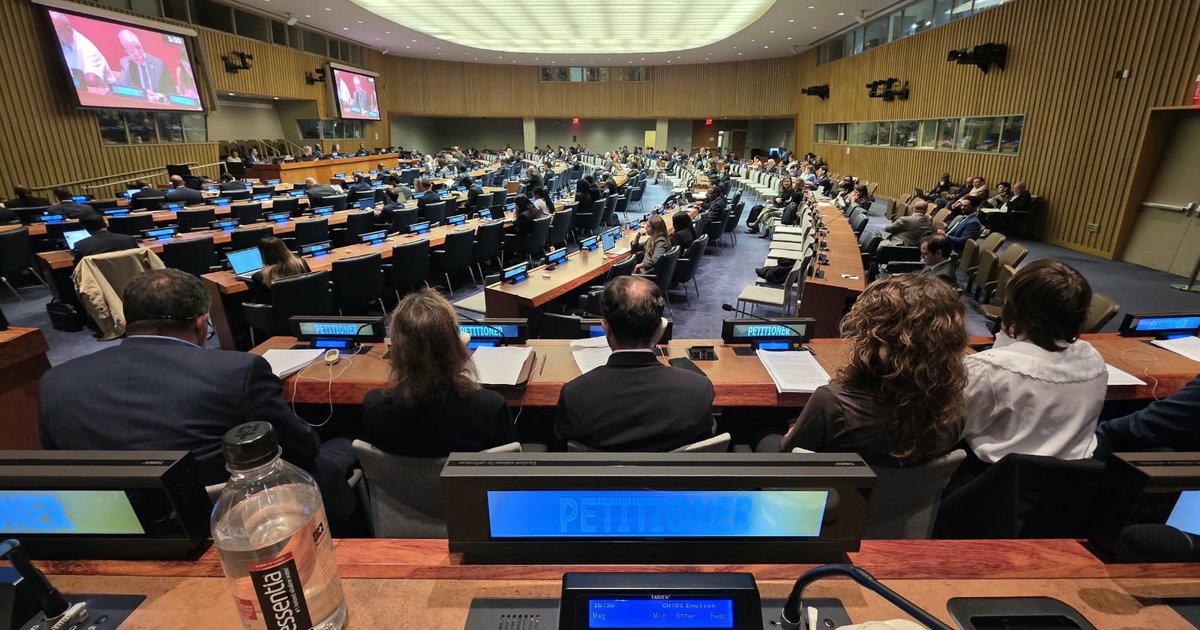
According to reports published by Akurat.co, Santosa made the remarks after a petitioner referred to “West Papua” during a meeting of the UN Special Political and Decolonization Committee, commonly known as the Fourth Committee, in New York on Oct. 6, 2026. The session was focused on decolonization issues concerning New Caledonia rather than Papua, prompting an objection from Indonesia’s diplomat Nara Masista Rakhmatia.
The chair of the meeting, Senegalese Ambassador Coly Seck, had also reminded petitioners not to address territories outside the committee’s agenda. The episode illustrates how terminology and procedural limits continue to shape international discussion of Papua.
Historical Framework and International Recognition
As adapted from reporting by Akurat.co, Santosa argued that Papua’s integration into Indonesia followed the principle of self-determination through the 1969 Act of Free Choice, conducted within the framework of the New York Agreement signed seven years earlier. He said the process was subsequently recognized through Resolution 2504, adopted by the UN General Assembly in 1969.
In his interpretation, the resolution marked Papua’s removal from the list of non-self-governing territories considered by the Fourth Committee. Santosa, who also teaches international relations at Syarif Hidayatullah State Islamic University in Jakarta, said efforts to reopen the issue at the UN disregard that established diplomatic history.
The dispute nevertheless carries significance beyond a procedural disagreement because competing narratives about sovereignty can affect public confidence, investment conditions and the delivery of public services. Santosa warned that framing the issue primarily through racial difference could deepen polarization while obscuring practical concerns raised by residents and local institutions.
A development-centered approach would place measurable improvements in education, healthcare, transport, livelihoods and public accountability at the heart of policy evaluation. It would also require space for peaceful civic expression and constructive scrutiny, particularly in areas where trust in government remains uneven.
Development, Accountability and Human Security
Papua’s long-term progress depends on infrastructure that connects communities without undermining environmental resilience or local livelihoods. Better roads, reliable digital access, clean water systems, renewable energy and transport links can help schools, clinics, farmers and small businesses participate more fully in the regional economy.
Yet physical construction alone cannot deliver inclusive growth: projects must be transparent, adapted to local geography and shaped with meaningful participation from Indigenous communities. Strong procurement safeguards and independent oversight are equally important if public investment is to translate into lasting social gains.
The same principle applies to human capital. Expanded teacher training, vocational education, scholarships and community-based healthcare can equip young Papuans to benefit from new economic opportunities while strengthening local leadership and professional capacity.
Anti-corruption measures should complement these investments by ensuring that development funds reach intended beneficiaries and that local governments have the systems needed to plan, monitor and maintain projects. Such priorities address the material concerns cited in the debate more directly than recurring political confrontation alone.
Security is another essential condition for sustainable development. Violence involving armed criminal groups can disrupt schooling, delay medical access, discourage entrepreneurship and force families from their homes, while excessive insecurity can weaken confidence in public institutions.
Protecting civilians, maintaining lawful and proportionate security responses and supporting dialogue-based conflict prevention are therefore central to any credible development strategy. Stability should be measured not only by the absence of attacks, but also by whether residents can travel, work, study and access public services safely.
The latest exchange at the United Nations is unlikely to end competing interpretations of Papua’s history, but it highlights the importance of separating diplomatic claims from the urgent work of improving lives. Indonesia’s stated legal and historical position is grounded, according to Santosa and the reporting cited, in the New York Agreement, the Act of Free Choice and Resolution 2504.
The more immediate test for policymakers is whether that status is matched by accountable governance, environmentally responsible infrastructure and equal opportunities for Papuans across the region. Sustained progress will depend on combining international clarity with local participation, human rights protections and development that communities can see and shape.