Three members of the armed Free Papua Movement, including a senior regional commander, were killed in a firefight with joint Indonesian military forces in Maybrat Regency, Southwest Papua, on October 9, 2026, according to the military’s initial account. The clash occurred in a forest north of Kamat Village in East Aifat District while security personnel were conducting area-protection operations.
Authorities said no Indonesian military personnel were reported injured or killed, while the site remained under security and monitoring measures to prevent further disruption.
The incident underscores the continuing security challenges facing communities in parts of Papua, where difficult terrain, limited access and armed conflict can complicate the delivery of public services and long-term development programs. At the same time, the military’s account remains subject to further verification, including the identities and organizational roles of those killed.
According to reports published by detikNews, the operation involved a joint task force operating under the Habema military command, with officials emphasizing that the assessment at the scene was still preliminary.
Security Operation in Maybrat
Brig. Gen. Riyanto, commander of the Habema Joint Operations Command, said three people from the armed group died at the location of the confrontation.
One of them was initially identified as Manfret Fatem, described by authorities as the operations commander of the Free Papua Movement’s Regional Defense Command IV covering the Sorong area. The two other reported fatalities were identified as Yesias Fatem, allegedly associated with the group’s Mosata battalion, and Antonius Assem, also known as Anton Fatem, who was allegedly linked to its Ayosami battalion.
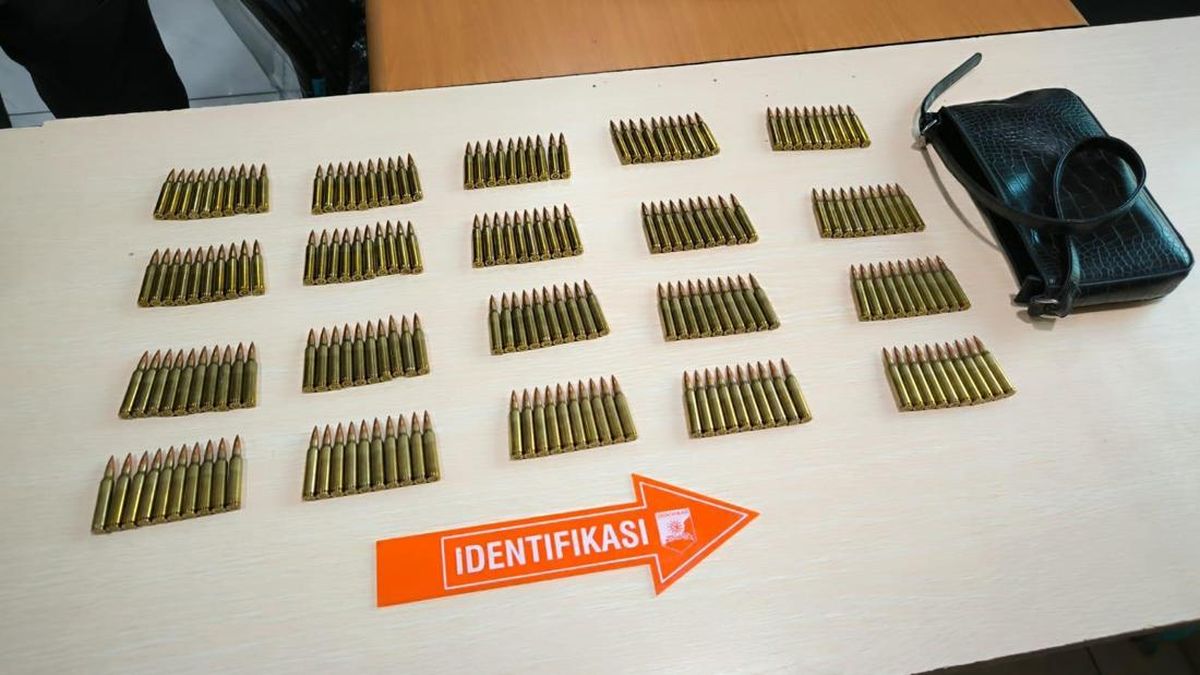
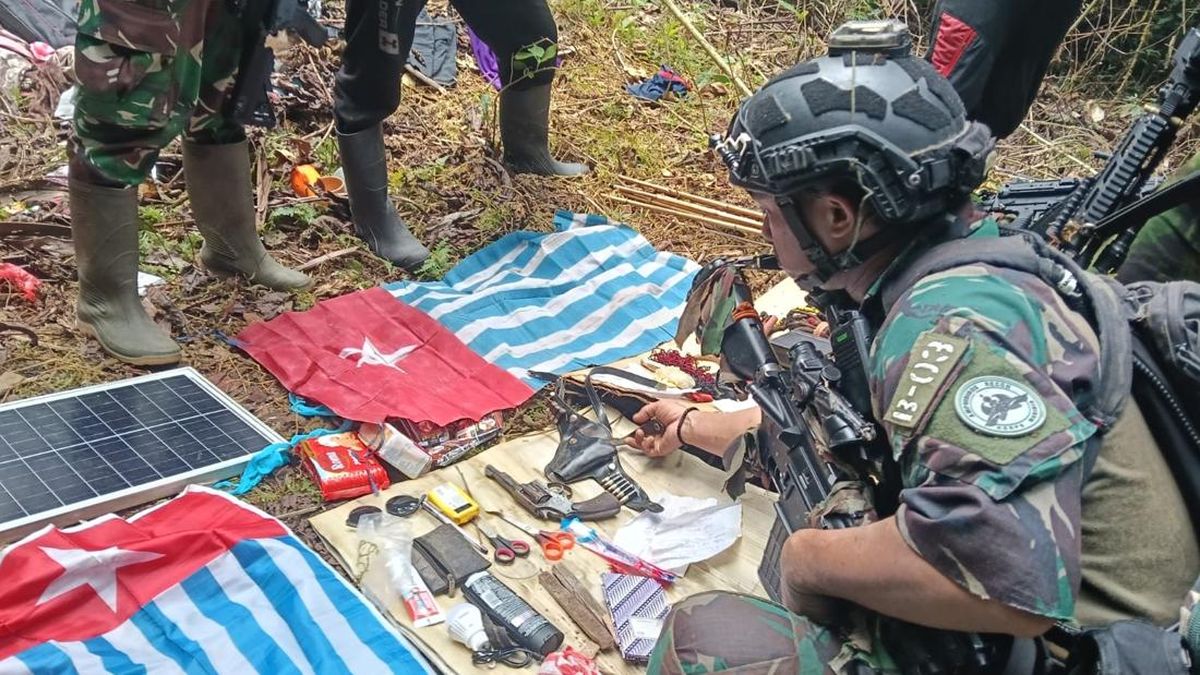
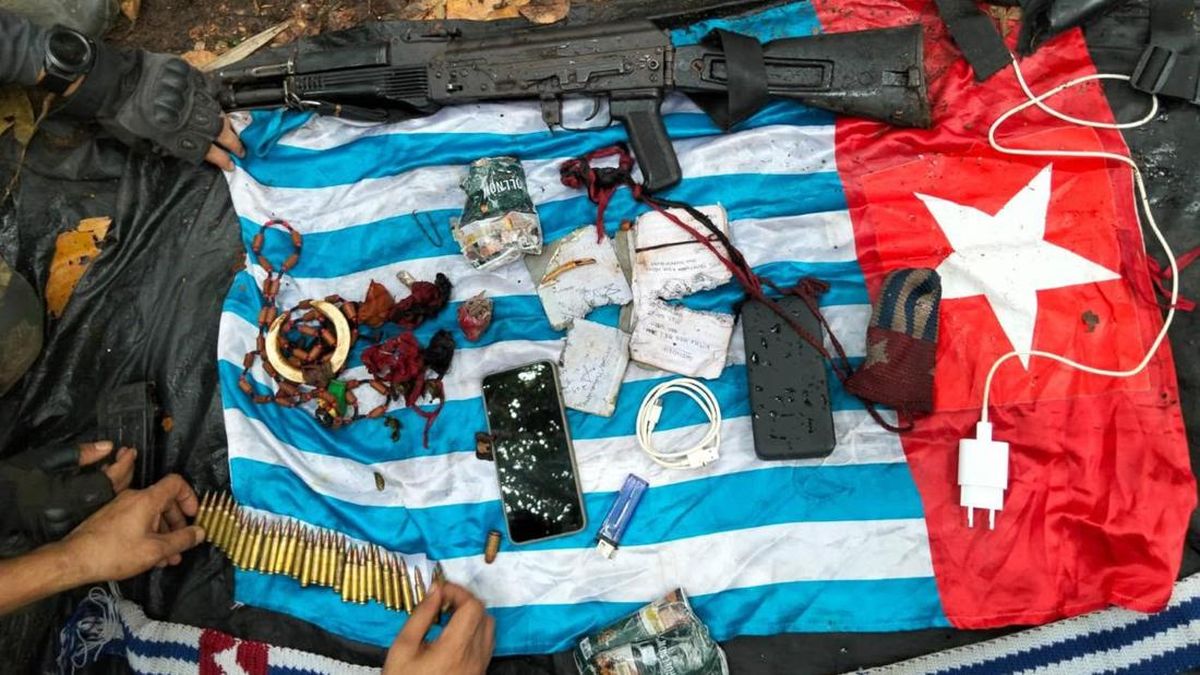
Officials stressed that the verification process was continuing to establish the identities and affiliations of all three individuals. Security forces also secured several items at the scene, including an AK-101 rifle, 30 rounds of 5.56-millimeter ammunition, 9-millimeter ammunition, two mobile phones, group insignia, a Morning Star flag and a document attributed to the organization.
The military said the area was being secured and monitored to reduce the risk of follow-on violence, but the available report did not provide independent details about the circumstances of the exchange or any civilian impact.
Stability and the Development Imperative
For Maybrat’s residents, the immediate priority after an armed confrontation is safety, freedom of movement and the uninterrupted operation of essential services. Roads, schools, health facilities and local markets depend on predictable conditions, particularly in remote districts where travel can already be difficult and emergency response times are extended.
A stable security environment is therefore an important foundation for Indonesia’s wider efforts to improve connectivity, expand public services and create more inclusive economic opportunities across Papua.
That development agenda requires security measures to be matched by civilian protection, transparent communication and sustained investment in local communities. Reliable access to education and healthcare, support for village-based livelihoods and stronger transport links can help reduce isolation while enabling residents to participate more fully in the regional economy.
Equally important, authorities and community leaders will need to maintain channels for accurate information and peaceful engagement so that local families are not left vulnerable to fear, displacement or prolonged disruption following incidents of violence.
As adapted from reporting by detikNews, the Maybrat clash is currently documented primarily through statements from Indonesian military authorities, and several details remain under verification. The next phase will be measured not only by whether tensions remain contained, but also by how effectively public institutions protect civilians and sustain essential services in affected areas.
For Papua’s broader development trajectory, lasting progress will depend on combining accountable security operations with education, healthcare, infrastructure and economic programs that reach communities in even the most remote parts of the region.