Schools in Manokwari, Southwest Papua, are incorporating local wisdom, cultural traditions and customary knowledge into classroom materials in an effort to improve literacy and make education more relevant to children’s lives. The initiative is being developed by Airlangga University’s Patriot Expedition Team, which is designing learning modules around familiar experiences such as family routines, traditional games, local food, gardens and folklore.
According to reporting published by detikNews, the program is intended to address differences in students’ reading abilities and shortages of suitable teaching materials, particularly in the Prafi transmigration area. Its broader aim is to show that educational progress and cultural preservation can reinforce one another rather than compete.
The initiative reflects a growing understanding that quality education in Papua must be rooted in the realities of the communities it serves. Lessons that begin with a child’s home, surroundings or daily responsibilities can provide a more accessible pathway to abstract concepts in reading, numeracy, science and social studies.
This approach also gives schools a way to affirm regional identity while preparing students to participate confidently in a changing national economy. For Manokwari’s education authorities, locally grounded instruction represents both a pedagogical improvement and an investment in human capital.
Building Stronger Learning Through Local Knowledge
Parjiyanti, head of Manokwari’s district education office, welcomed the collaboration, saying development should move alongside the preservation of local wisdom. She described the planned module as a potential guide and model of good practice that schools can adapt to their own needs.
“Progress must not force us to forget local wisdom; the two should advance together,” she said in a written statement cited by detikNews on October 18, 2026. Her position underlines the importance of giving teachers practical resources that reflect the cultural and social context of their pupils.
Imam Gazi, coordinator of Team Seven of the Patriot Expedition Team, said the material was designed after considering conditions observed in the field. The modules are intended to respond to literacy gaps across different stages of learning, as well as limited access to textbooks and other instructional resources.
A child’s experience helping a family in a garden, for example, can become an entry point for explaining vocabulary, measurement, ecosystems or healthy food. By connecting schoolwork to everyday life, educators can make lessons easier to understand while encouraging students to see their own communities as sources of knowledge.
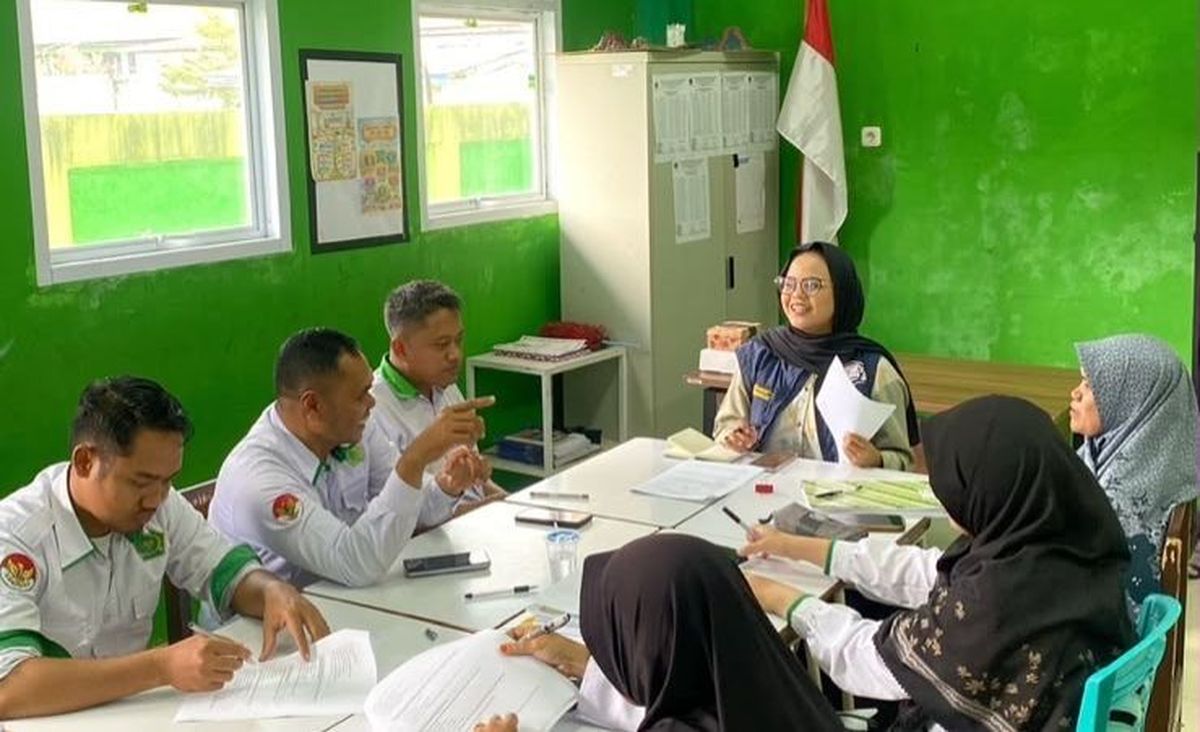
The preparation process has involved teachers and other local stakeholders rather than relying solely on outside experts. A group discussion held on September 29, 2026, gathered feedback on the needs of schools and the characteristics of Manokwari’s students, allowing the team to refine the content before classroom testing.
This participatory method can strengthen teacher ownership and improve the likelihood that the modules will remain useful after the expedition team’s work is completed. It also creates space for educators to identify which local stories, activities and expressions can best support children at different levels of reading development.
From Cultural Recognition to Inclusive Development
The program carries significance beyond the production of new textbooks or worksheets. When children encounter their families, landscapes, customs and oral traditions in classroom materials, education can become more inclusive and strengthen their confidence in their own identity.
That connection is particularly important in remote and transmigration communities, where disparities in learning resources may compound geographic and economic disadvantages. Better literacy, in turn, can expand future access to vocational training, higher education, entrepreneurship and public services.
The initiative also aligns with the national government’s emphasis on education as the foundation of prosperity. President Prabowo Subianto has said that Indonesia cannot become a prosperous or advanced country without successful education, while Coordinating Minister for Infrastructure and Regional Development Agus Harimurti Yudhoyono has stressed that the state must ensure children from low-income families have the opportunity to attend school.
Transmigration Minister M. Iftitah Sulaiman Suryanagara has likewise argued that the success of the Patriot Expedition should be measured by tangible changes in communities, not by the number of participants deployed. In that context, a tested module that improves classroom engagement and literacy offers a practical measure of development impact.
The next stage will be a classroom trial of the modules in Prafi, followed by observations of student progress and the collection of teachers’ assessments. The feedback will be used to improve the materials and ensure they respond to actual learning needs rather than remaining a one-time intervention.
If sustained, the model could offer other Papuan districts a flexible framework for combining national curriculum goals with local languages, histories, environments and traditions. Manokwari’s experience demonstrates how human capital development can advance through modest but meaningful innovations that connect schools to families and communities.