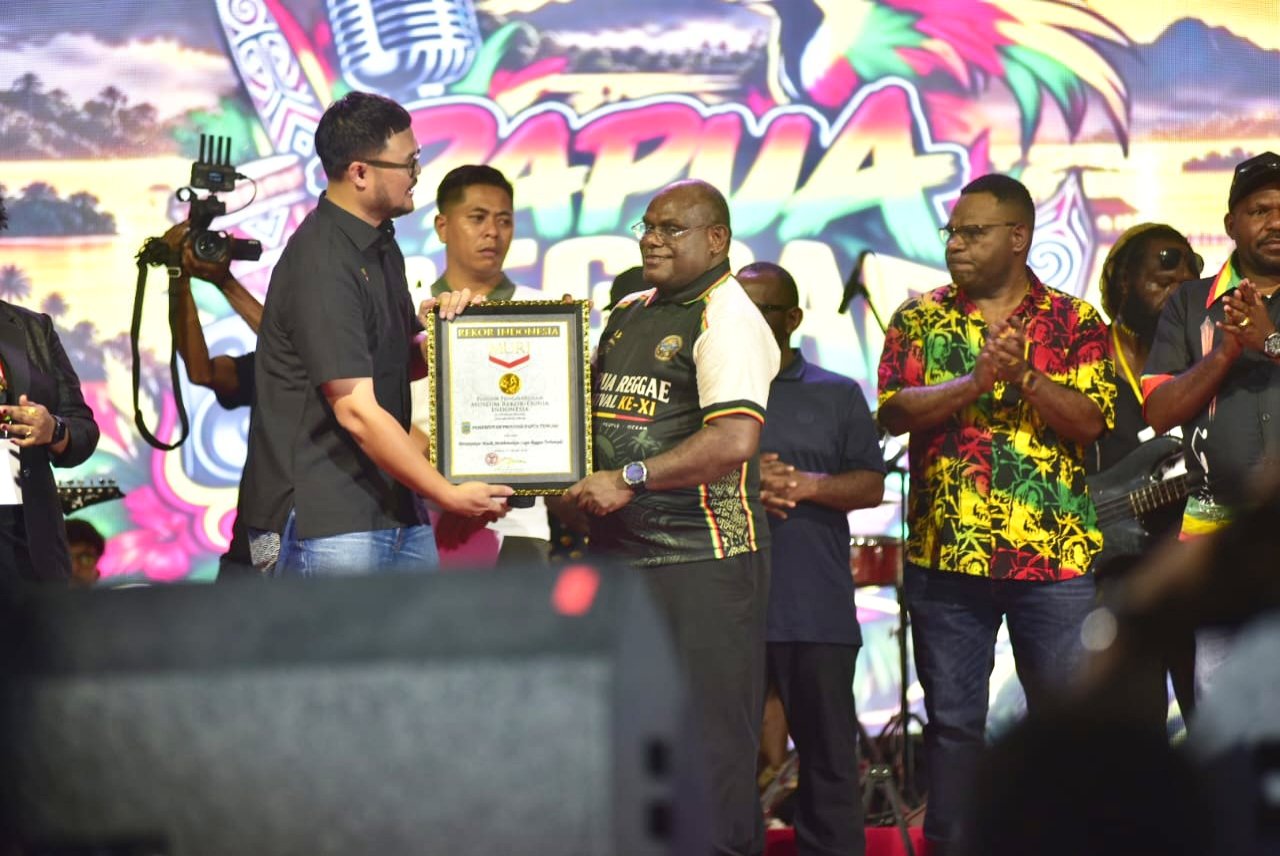
The 11th Papua Reggae Festival has opened in Papua’s Central Province, with Meki Nawipa urging the event to become a platform for creative-economy growth, social cohesion and peace. The 2026 festival brings cultural expression into the region’s wider development conversation, demonstrating how music and community events can support inclusive economic participation.
By placing local identity at the center of a public gathering, the initiative creates space for young people, artists and communities to contribute to Papua’s future. As adapted from reporting by Tribunpapuatengah.com, Nawipa emphasized the festival’s role in promoting both economic opportunity and peaceful coexistence.
Culture as Development Infrastructure
For regions undergoing rapid social and economic change, cultural festivals can function as a form of social infrastructure. They connect people across communities, build confidence in local talent and create public platforms where regional stories can be presented with dignity and originality.
The Papua Reggae Festival’s continuation into its 11th edition suggests that the event has developed into a sustained cultural institution rather than a one-time celebration.
Its significance extends beyond the stage. Reggae’s international association with peace, justice and solidarity gives the festival a message that can resonate with Papua’s diverse communities while remaining accessible to younger audiences.
By encouraging creative expression in a shared public setting, the gathering can help strengthen dialogue and reinforce the idea that development is measured not only through roads, buildings and investment, but also through trust, belonging and social stability.
Expanding the Creative Economy
Nawipa’s call to advance the creative economy reflects a broader effort to diversify livelihoods in eastern Indonesia. Music, performance, design, media production, event management and cultural entrepreneurship can provide avenues for income that rely on local knowledge and talent.
These sectors also have the potential to retain value within communities by enabling young Papuans to develop careers around their own cultural identity instead of leaving the region in search of opportunity.
A recurring festival can generate practical learning as well as visibility. Artists and organizers gain experience in production, promotion, coordination and audience engagement, while emerging performers can build networks that may lead to further collaborations. When supported by responsible public policy, cultural events can also stimulate demand for transportation, hospitality, food services, craft products and digital content, spreading benefits beyond the main performance venue.
Building Peace Through Participation
The festival’s peace message is equally important. Public cultural spaces allow communities to meet through shared interests and constructive celebration, helping create relationships that are essential to long-term stability. Rather than treating peace solely as a security objective, the initiative presents it as a community achievement sustained through participation, recognition and opportunities for young people.
This approach places human capital at the heart of regional development. Youth who are given opportunities to perform, organize and communicate are also gaining confidence, teamwork and practical skills that can be applied in education, business and civic life. Cultural programs can therefore complement investment in schools, healthcare and connectivity by helping residents use those broader development gains in ways that strengthen community resilience.
A Platform for Inclusive Regional Progress
The opening of the 2026 festival offers Central Papua a visible example of development rooted in local strengths. Its long-term impact will depend on continued support for artists, transparent opportunities for community participation and links between cultural programming, education and entrepreneurship.
Even so, the event makes a clear case that peaceful growth can be advanced through initiatives that celebrate identity while opening pathways to income and skills.
As reported by Tribunpapuatengah.com, Meki Nawipa’s message places creativity and peace side by side as complementary priorities. That combination is particularly relevant for Papua, where sustainable progress requires both economic inclusion and stronger social ties. By investing in the people, stories and talents that give the region its character, the Papua Reggae Festival can help turn cultural energy into a durable foundation for inclusive development.