Indonesia’s military says it acted against 22 senior members of the Free Papua Movement during a third-quarter security operation in Papua, while confiscating dozens of firearms and hundreds of rounds of ammunition. The operation, conducted during the third quarter of the 2026 fiscal year, was presented by authorities as an effort to protect civilians from armed violence, smuggling and other illegal activity.
The announcement comes as Papua’s long-term development agenda continues to depend on safer transport corridors, reliable public services and greater confidence among communities, institutions and investors.
A Security Operation With a Wider Stabilisation Mandate
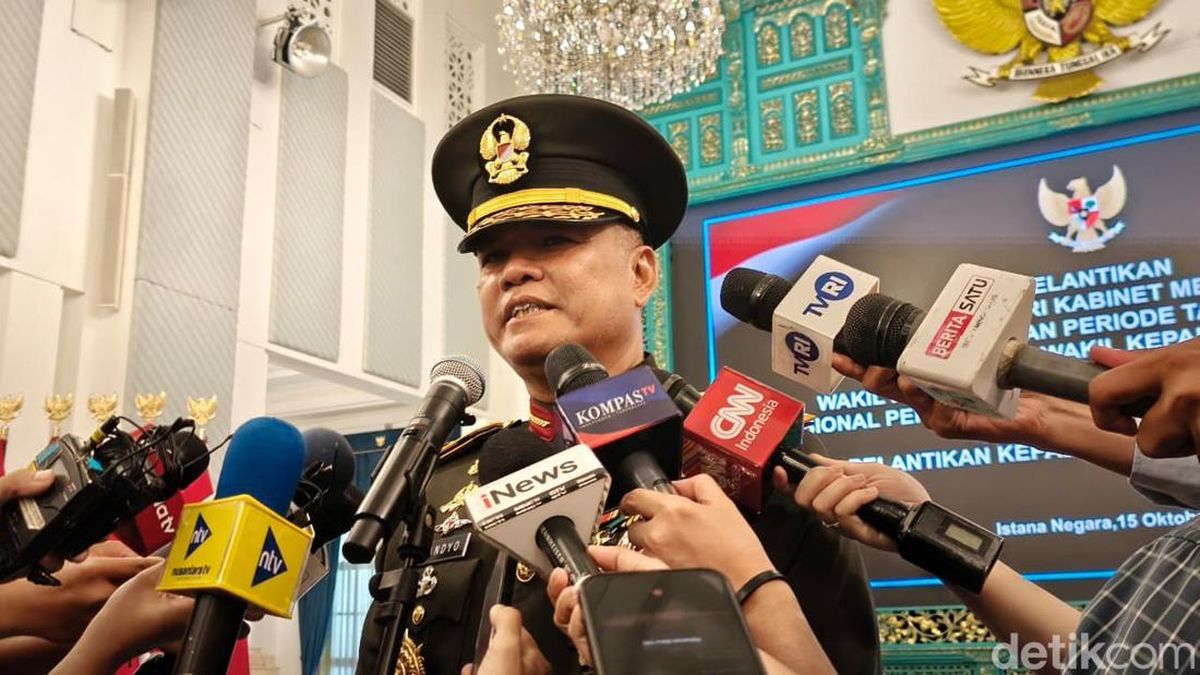
Lieutenant General Lucky Avianto, commander of Indonesia’s Joint Regional Defence Command III, told detikcom on October 15 that 22 alleged members of the armed organisation had been dealt with following operations and intelligence analysis. According to reporting published by detikcom, the campaign was designed not only to pursue armed groups but also to counter illicit supply chains and activities capable of undermining public order.
Lucky described it as part of a continuing security effort across Papua rather than an isolated enforcement action.
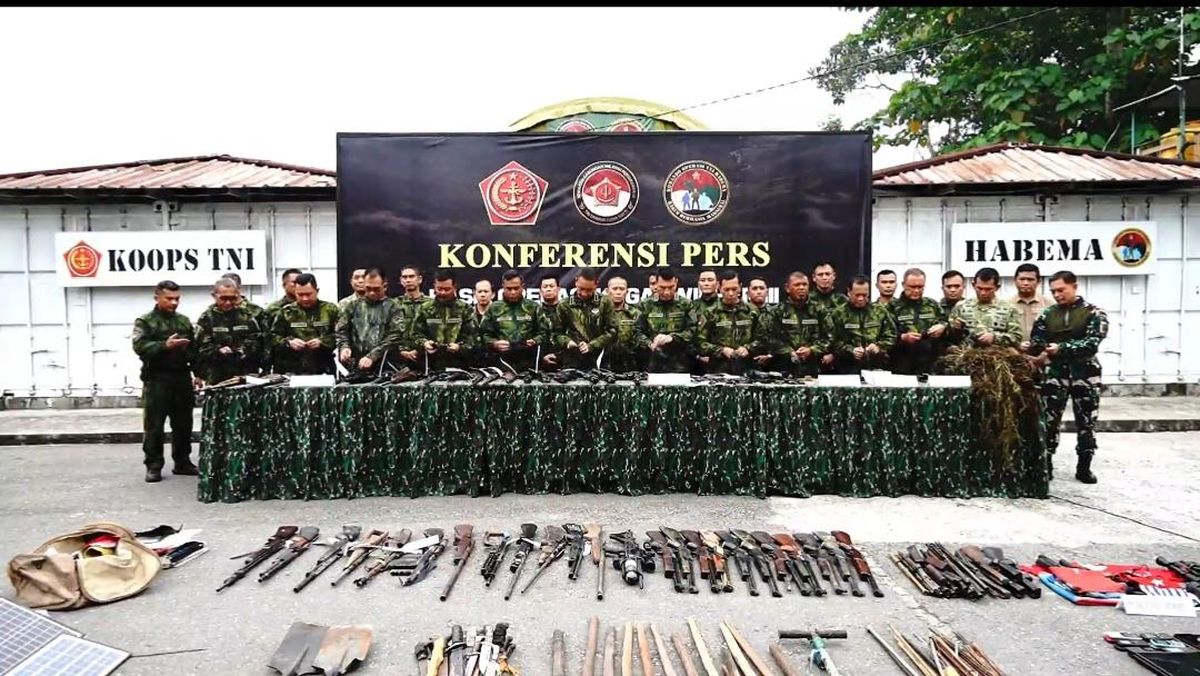
Authorities reported the seizure of 24 so-called organic weapons, 11 short-barrelled firearms and 13 long-barrelled firearms, along with 25 mixed-category weapons. The inventory also included three mixed 9-millimetre short firearms, 22 mixed 5.56-millimetre long firearms and 30 air rifles.
Officials further reported recovering 394 rounds of ammunition—304 rounds of 5.56 millimetres, 30 rounds of 7.62 millimetres and 60 rounds of 9 millimetres—as well as 55 spent casings.
Breaking Networks, Not Only Seizing Weapons
Lucky said the operation’s broader objective was to disrupt the full infrastructure supporting armed activity, including sources of weapons, distribution routes, backers and logistics systems. He described the cooperation of military task forces and Indonesia’s State Intelligence Agency as essential to locating alleged commanders and members.
In his account, the operation’s significance lay in weakening command structures and operational capacity, rather than in the number of arrests alone.
The reported roster included figures identified by authorities as commanders, deputy operations officers, battalion leaders, logistics officials and financial personnel operating across several regional command areas. Those named included Yasias Mate, Manuel Yohanes Aimau, Alfon Sorry, Arso Aisnak, Manfred Fateem, Anton Fatem, Yesias Fatem, Riki Asiasior, Yopi Frasov and Yohannes Ky in areas linked to Command Area IV.
Other reported figures included Lau Gwijangge, Ket Gwijangge, Peltu Usmabul and Lut Wumangge in Command Area III, as well as Bilip Kobak, Jeki Murib, Oktonil Degei, Abdon Kisamlu, Dinus Tigau, Hurbianus Mirip and Colonel Jacob in other Papua command areas.
Security as a Foundation for Inclusive Development
For Papua, improved security can have direct socioeconomic consequences when it allows teachers, health workers, construction teams and traders to move more consistently between remote settlements and urban centres. It can also help protect roads, bridges, telecommunications facilities and public buildings that connect isolated communities to markets and government services.
However, security measures alone cannot deliver durable progress; development gains also require accountable administration, meaningful community participation, education, healthcare access and lawful economic opportunities.
Lucky said the operation was carried out under established rules of engagement, applicable law, humanitarian principles and coordination among government institutions. Those commitments are especially significant in a region where security operations can affect civilians and where public trust remains central to the success of infrastructure and social programmes.
Independent oversight, transparent legal proceedings and credible safeguards for residents will therefore be important in determining whether the operation contributes to lasting stability.
Linking Stability With Papua’s Future
The reported seizures remove weapons and ammunition that authorities say could have been used in attacks, while the disruption of command and support networks may reduce the immediate risks facing local communities. The next test will be whether security gains are followed by visible improvements in everyday life, including safer mobility, dependable schooling, accessible medical care and stronger livelihoods.
As adapted from reporting by detikcom, the operation illustrates how security policy and development policy intersect in Papua: lasting progress will depend on protecting people while also expanding opportunity, respecting rights and strengthening institutions across the region.