Papua Governor Matius D. Fakhiri has urged local leaders to ensure that a major infrastructure funding allocation produces visible benefits for residents, rather than being absorbed by administrative expenses or official travel.
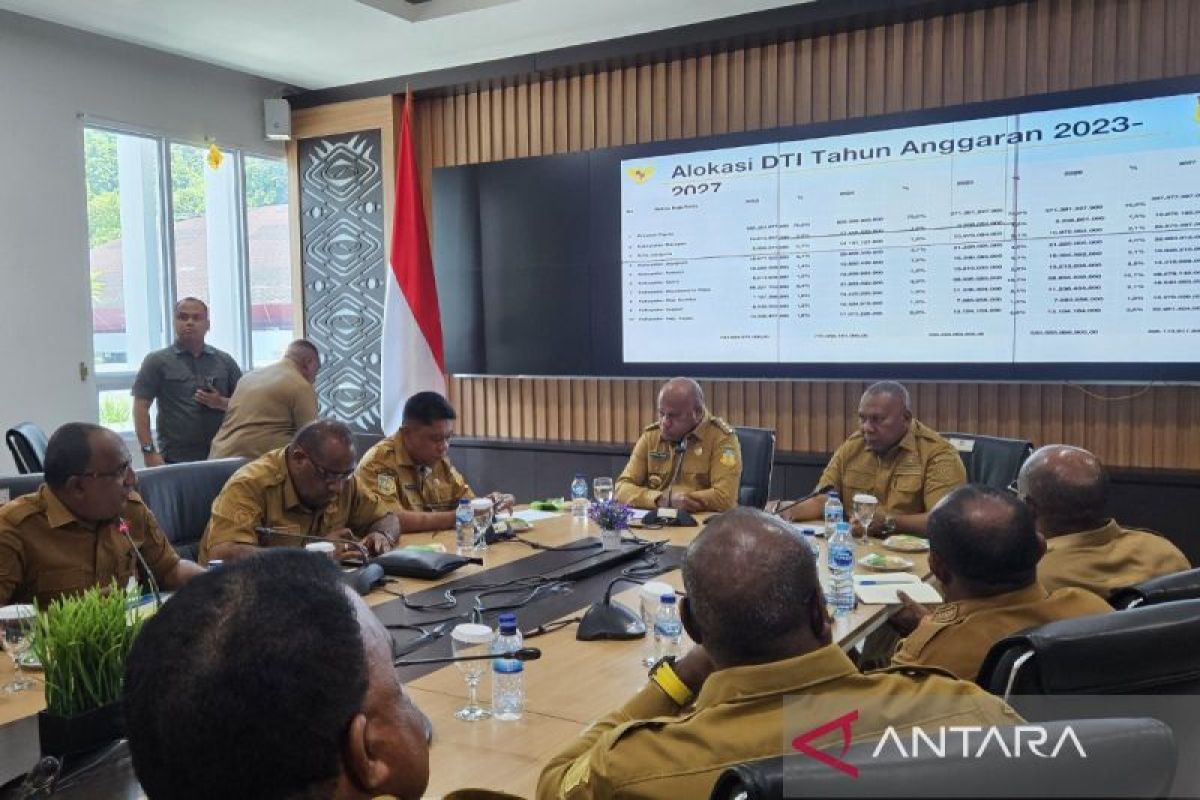
The warning came after provincial and local authorities agreed on the distribution of the 2027 Additional Infrastructure Fund, worth 596.12 billion Indonesian rupiah. The arrangement places public benefit, transparency and coordination at the center of Papua’s effort to close infrastructure gaps across its diverse and geographically challenging territory.
Putting Public Value at the Center of Infrastructure Spending
Fakhiri said the additional funds must return directly to communities through programs that address everyday needs. He called on regents and mayors to treat the allocation not as a resource for running provincial institutions, but as a practical instrument for helping residents and strengthening districts and cities.
In translated remarks reported by ANTARA News Papua, he emphasized that every project supported by special funding should be designed to improve public welfare and deliver benefits that people can recognize in their own communities.
The governor’s position reflects a broader development challenge in Papua, where infrastructure investment must respond to sharply different local conditions, including remote settlements, difficult terrain and unequal access to basic services. Roads, water systems, public facilities and other essential assets can have a direct influence on education, healthcare access, local trade and household incomes when they are planned around community priorities.
By requiring spending to be visible and purposeful, the provincial government is seeking to connect budget decisions with measurable improvements in daily life.
According to reports published by ANTARA News Papua, the provincial government has also stressed that the use of the funds remains subject to national oversight. Fakhiri said information about each activity should be made available to the public, including the source of financing and the benefits expected from the project.
Such disclosure can help residents, civil society groups and local institutions monitor implementation, while encouraging officials to maintain standards in procurement, construction quality and long-term maintenance.
A Formula Designed to Reflect Regional Needs
Muflih Musaad, head of Papua’s Regional Development Planning, Research and Innovation Agency, said the total 2027 allocation was set at 596,118,918,000 rupiah. Under the agreed formula, 65 percent, or 387,477,297,000 rupiah, will go to the provincial government, while 35 percent, or 208,641,621,000 rupiah, will be allocated to regencies and municipalities.
The division is based on the provincial government’s discretionary responsibilities and indicators measuring infrastructure conditions across the region.
The formula is intended to support a more balanced pattern of development by recognizing that Papua’s districts do not face identical infrastructure pressures. A remote area may require different investments from an urban center, while the condition of existing facilities can determine whether funding should prioritize new construction, rehabilitation or improved service access.
A needs-based approach can make public spending more effective when it is paired with reliable data, open decision-making and close consultation with local communities.
Building Accountability Into Papua’s Next Development Phase
The provincial government says it will supervise implementation together with district and municipal administrations, creating a shared responsibility for ensuring that the allocation can be defended to its intended beneficiaries. That coordination will be important for avoiding fragmented projects and aligning infrastructure spending with wider development priorities, including access to schools, healthcare facilities, markets and public services.
It also creates an opportunity to promote resilient and sustainable infrastructure that remains useful beyond the current budget cycle.
For Papua’s residents, the significance of the agreement will ultimately be measured not by the size of the allocation, but by whether it produces safer access, better-connected communities and stronger economic opportunities. Transparent reporting can help turn public investment into public trust, while effective local oversight can ensure that projects reflect the priorities of people living in the areas they are meant to serve.
As the 2027 program moves forward, the combination of needs-based distribution, provincial supervision and community-facing disclosure will be central to making infrastructure spending a foundation for inclusive growth across Papua.